
Lustrous bog-moss
Sphagnum subnitens
Description
Growing requirements
Lustrous bog-moss (Sphagnum subnitens) belongs to the Sphagnaceae family and is a significant bryophyte species found in temperate and cold regions globally. It thrives in boggy habitats characterized by highly acidic soils and high atmospheric humidity.
The culture requires an environment free from mineral-rich water, as the presence of calcium and magnesium significantly hinders its growth. Optimal cultivation occurs in waterlogged conditions where the water table is kept stable at or slightly below the surface level.
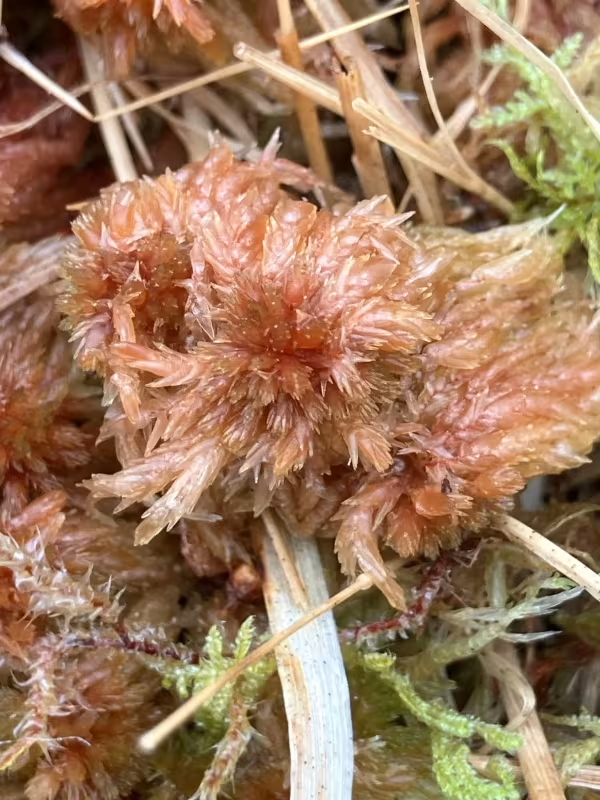
Botanically, it features a distinct capitulum (head) and specialized hyaline cells that allow it to absorb and retain water up to twenty times its dry weight. This physiological trait is essential for its survival in nutrient-poor environments.
Agricultural management of Sphagnum subnitens focuses on mimicking natural mire conditions. This involves installing hydrological barriers to maintain water saturation and protecting the population from invasive vascular plant competition, which usually thrives in more nutrient-rich soils.
The species is well-adapted to cooler climates, exhibiting high growth rates during spring and early autumn. Proper site selection is critical, as the moss requires constant, albeit minimal, contact with nutrient-poor, acidic water to maintain its health and density.
Harvesting
Sustainable harvesting involves removing only the top layers of the living moss canopy. By leaving the lower stems intact, the moss colony is able to regenerate within a few years, ensuring a continuous and renewable supply of agricultural raw material.
The harvesting process is typically executed using manual rakes or mechanized harvesters adapted for delicate bog surfaces. This task is performed in late summer when the moisture content is balanced, facilitating easier separation of the moss from the substrate.
Post-harvest treatment involves drying the moss in open-air conditions, away from direct sunlight, to preserve its natural antimicrobial properties. Once dried, the moss is baled or packaged for commercial use in horticulture and orchid cultivation.
The primary use of Sphagnum subnitens is as a premium growing medium. Its natural antiseptic properties, combined with excellent water retention and aeration qualities, make it a superior choice for professional greenhouse operations and plant nurseries.
Furthermore, the moss serves as an essential material for ecological restoration projects. Its ability to sequester carbon and restore hydrological functions in degraded peatlands has made it an important culture for modern environmental management strategies.