
Sphagnum strictum
Sphagnum strictum
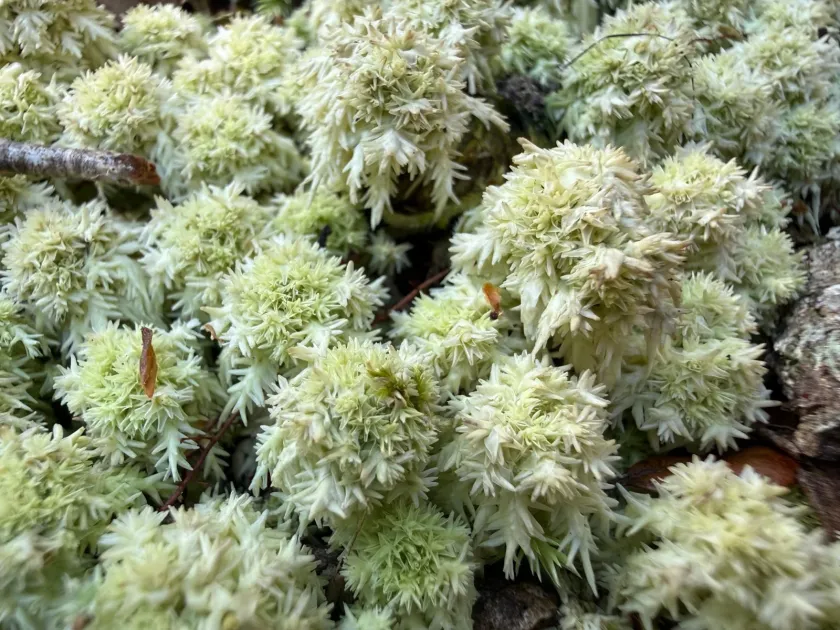
Description
Growing requirements
Sphagnum strictum is a perennial bryophyte belonging to the Sphagnaceae family. It is a fundamental element of peatland ecosystems, playing a vital role in water regulation and the formation of characteristic acidic, carbon-sequestering habitats.
The plant thrives in acidic conditions with a pH range of 3.0 to 4.5. It requires a substrate that is nutrient-poor, porous, and consistently moist. In its natural range, it is commonly found in bogs, fens, and high-precipitation woodland areas.
Botanically, this species is noted for its ability to hold large volumes of water within its cellular structure, which provides a unique microenvironment. The production of antimicrobial substances is a key evolutionary adaptation that protects the moss from decay.
Cultivation requires stable environmental parameters, specifically high humidity levels and indirect lighting. Direct sunlight is highly detrimental as it causes rapid desiccation of the moss thallus and leads to thermal stress.
Soil management for Sphagnum strictum involves using specialized acidic media, usually composed of milled peat or sphagnum peat. Ensuring constant moisture is vital, as the plant lacks a true root system and relies on capillary uptake from the substrate.
Yield
In agricultural and horticultural practices, Sphagnum strictum is primarily harvested or cultivated for use as a premium growing medium. It is highly valued for its excellent water retention, aeration properties, and low mineral content.
This moss is widely utilized in the cultivation of epiphytes, such as orchids, and various carnivorous plants. Its natural antiseptic properties significantly reduce the incidence of soil-borne pathogens and root rot in sensitive ornamental species.
It serves as an effective mulching agent in nursery settings, suppressing weed growth and reducing the frequency of irrigation for container-grown plants. This contributes to water-use efficiency in greenhouses.
The material is extensively used in the nursery industry for shipping and packaging plant roots. Its weight-to-moisture ratio makes it ideal for protecting plant stocks during transit across long distances.
Landscape designers incorporate this species into bog garden installations and restoration projects. Its ability to colonize damp environments makes it an essential tool for maintaining the biological integrity of constructed wetlands.
Main diseases and pests
The most significant threat to the culture is nutrient overload, particularly nitrogen-rich runoffs. Excess minerals facilitate the growth of vascular plant invaders and green algae, which quickly outcompete and smother the sensitive moss colonies.
Fluctuations in water levels pose a major risk to yield stability. Prolonged dry spells can cause permanent damage to the moss canopy, while excessive waterlogging in poor-drainage conditions can lead to the accumulation of anaerobic metabolic products.
In indoor nursery settings, fungal gnats and certain nematode species can occasionally infest the moss. Implementing strict hygiene and managing the substrate humidity are the most effective methods to prevent such infestations.
Pathogenic mold infections often emerge when ventilation is inadequate. Stagnant air combined with high moisture levels creates ideal conditions for opportunistic fungi to colonize the surface of the moss.
Competition from woody seedlings and invasive grasses is a persistent challenge. Commercial cultivation requires regular maintenance to remove any unwanted vegetation that may shade out the Sphagnum strictum or deplete local nutrient reserves.