
Sphagnum skyense
Sphagnum skyense
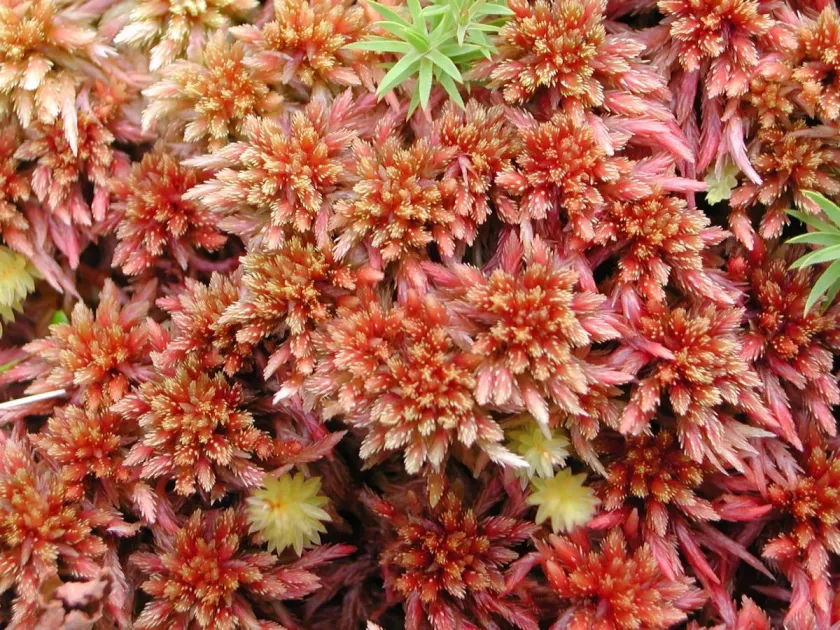
Description
Growing requirements
Sphagnum skyense is a rare species of sphagnum moss belonging to the Sphagnaceae family. Its natural range is restricted to the specific ecosystems of the Isle of Skye in Scotland, where it thrives in high-altitude peatlands characterized by high humidity levels.
The crop requires an exclusively acidic environment with a pH level between 3.5 and 4.5. Maintaining a stable moisture level is critical for the plant's development, as this moss cannot tolerate even short-term drying of the substrate, which is essential for preserving cell turgor.
The plant prefers a cool, humid Atlantic-type climate with minimal daily temperature fluctuations. Optimal development is observed under diffused lighting, as direct ultraviolet exposure causes pigment degradation and slows down the moss's metabolic processes significantly.
For agricultural purposes, the soil layer must consist of pure high-moor peat with high porosity. The use of mineral fertilizers is strictly prohibited, as excessive nitrogen or calcium levels can lead to the rapid death of the moss colony.
To successfully cultivate this species, it is necessary to maintain relative air humidity above 80 percent. In industrial settings, automated fogging systems are utilized to replicate the natural environment of misty highlands where this species originates.
Yield
The economic utilization of this moss is based on its unique ability to absorb moisture and its antiseptic properties derived from sphagnol. Crop productivity is measured by the annual biomass increment, which reaches 3 to 5 centimeters under optimal conditions.
On a commercial scale, yields are limited by the speed of vegetative reproduction, as the plant does not produce seeds and propagates strictly through thallus division. Intensive greenhouse methods allow for the production of marketable batches of high-quality moss.
Applications include floristry, where the material is valued for its aesthetics and water-holding capacity, and horticulture, specifically as a premium substrate for orchids. It is also being researched as a natural sorbent for cleaning heavy metals from wastewater.
The pharmaceutical industry uses the biologically active compounds found in the moss's cell walls to create advanced wound dressings. Its high hygroscopicity makes it an ideal, eco-friendly filling material for various medical and industrial products.
In the long term, Sphagnum skyense is viewed as a strategic resource for restoring degraded peatland ecosystems. Proper management of moss plantations helps restore the carbon balance, which is vital for global climate mitigation projects.
Main diseases and pests
The primary risk factor for this culture is anthropogenic atmospheric pollution. Sphagnum mosses are extremely sensitive to acid rain, which disrupts the natural chemical balance in their growth zone, leading to significant growth suppression.
Among diseases, fungal infections are the most common, especially when ventilation is inadequate. Stagnant moisture combined with a lack of airflow promotes mold growth, which can destroy an entire plantation in a very short period of time.
Pests, such as various small insects and their larvae, can damage the upper parts of the thallus. However, the most significant threat is substrate salinization, which induces osmotic shock and causes the rapid death of entire moss patches.
Disruption of the light regime also poses a threat. Excessive solar radiation causes photoinhibition, which significantly reduces yield metrics and negatively alters the fiber structure, thereby lowering its quality as industrial raw material.
Competition from more aggressive vascular plants on insufficiently acidic substrates is also a serious challenge. Regular weeding and continuous monitoring of the environment's acidity levels are mandatory procedures for protecting the crop against invaders.