
Shore bog-moss
Sphagnum riparium
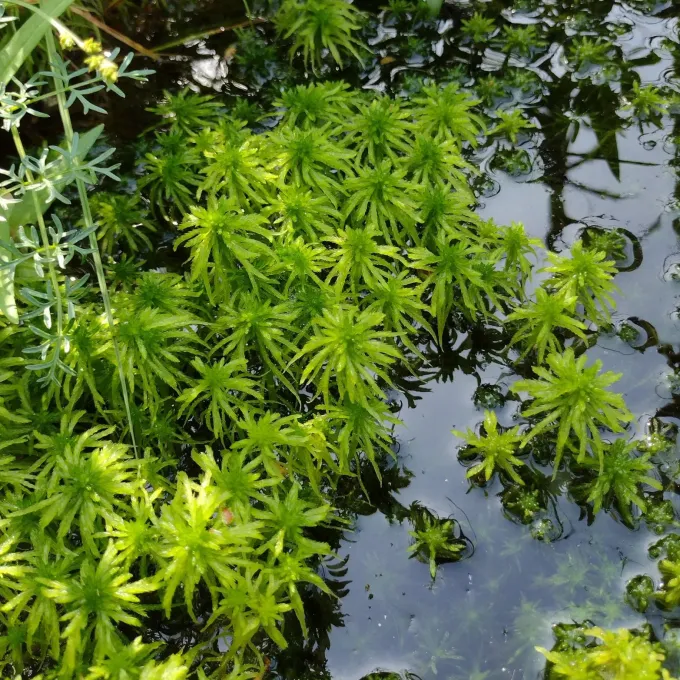
Description
Growing requirements
Shore bog-moss (Sphagnum riparium) is a species of moss belonging to the Sphagnaceae family. It is typically found in wetlands, swampy forest edges, and along the banks of northern water bodies, forming dense, spongy mats of biomass.
This species requires a highly specific microclimate characterized by constant saturation and high atmospheric humidity. It thrives in acidic environments, where the pH levels strictly range between 3.5 and 4.5, making it an acidophile of high specialization.
Water quality is of paramount importance for the cultivation of Sphagnum riparium. The plant is extremely sensitive to mineral salts and alkaline components; irrigation must rely on rainwater or demineralized sources to ensure healthy vegetative growth.
The plant is adapted to cool temperatures, showing optimal development between 15°C and 20°C. While it is highly winter-hardy, the moss requires consistent moisture even during dormant phases to prevent cellular damage and ensure regeneration in the spring.
In terms of light exposure, the species prefers partial shade. Excessive direct sunlight causes desiccation, while insufficient light hinders photosynthesis. A controlled shade-cloth environment is often utilized in industrial farming to balance these factors.
Yield
The economic utility of Shore bog-moss is vast. It serves as a primary raw material for high-quality professional horticultural substrates, valued for its unique ability to hold water while maintaining excellent oxygenation for plant roots.
The pharmaceutical industry utilizes Sphagnum riparium for its inherent antibiotic properties, provided by phenolic compounds such as sphagnol. It is historically and modernly used in specialized medical dressings due to its sterility and high absorbency.
Floral and interior design industries rely on this moss for terrariums, green wall installations, and as a decorative moisture-retaining layer for container plants, representing a high-value niche market for commercial growers.
Production cycles focus on the sustainable harvesting of the upper green layers of the moss. When managed correctly, the base of the plant remains intact, allowing for rapid regeneration and continuous multi-year harvests from the same plot.
Post-harvest processing involves sorting, cleaning, and gentle drying to maintain the moss's structure. The quality of the final product is determined by the absence of foreign organic debris and the preservation of its natural elasticity.
Main diseases and pests
The most significant threat to Shore bog-moss is environmental eutrophication. An influx of nitrogen or phosphorus from surrounding agriculture shifts the nutrient balance, allowing invasive grasses and rushes to overtake the moss bed.
Changes in local hydrology pose a constant danger; prolonged drought or drainage of the surrounding area leads to the loss of the water table, resulting in the rapid death of the moss cover.
Fungal diseases can proliferate in stagnant air conditions within greenhouses. Implementing proper cross-ventilation is essential to prevent mold growth and maintain the health of the dense moss mat.
Insects and certain invertebrates may occasionally feed on the moss, but they rarely constitute a primary economic threat compared to the risks posed by improper acidification management or water contamination.
The sensitivity of the species to alkaline water is its greatest biological vulnerability. Any introduction of hard water or chemical pollutants can lead to an irreversible collapse of the moss community in a very short timeframe.