
Sphagnum pulchrum
Sphagnum pulchrum
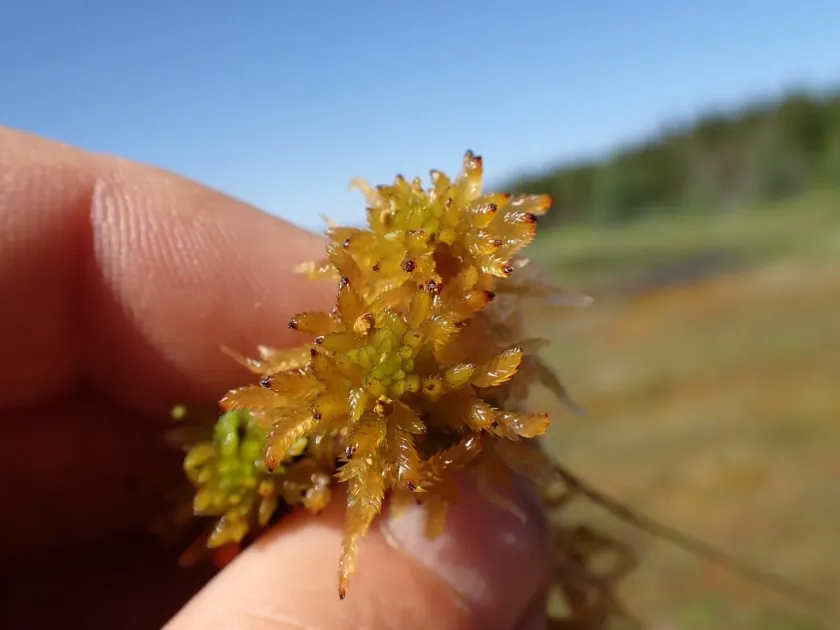
Description
Growing requirements
Sphagnum pulchrum is a perennial bryophyte belonging to the Sphagnaceae family. It is a distinct species characterized by its aesthetic appearance and its critical role in peat bog formation and ecosystem stability.
The cultivation of this species strictly requires acidic, waterlogged habitats. The plant thrives in environments with high humidity and limited sunlight, typically in peatlands where the water table is persistently high and nutrient levels are very low.
Soil requirements focus on the presence of oligotrophic peat, which supports the moss's characteristic ion-exchange properties. It is highly sensitive to pollutants; therefore, pristine water quality is essential for successful growth.
Climatic adaptability includes a preference for temperate zones with consistent moisture levels. Extreme heat and desiccation are the primary environmental stressors that can lead to rapid degradation of the moss colonies.
Agricultural management relies on hydraulic control. Practitioners must ensure a stable water level to prevent the moss from drying out, while avoiding flooding that would inhibit oxygen exchange in the lower parts of the plant stems.
Harvesting
Harvesting Sphagnum pulchrum involves careful selection of the upper growth portions. Sustainable methods dictate that the lower sections are left intact to facilitate vegetative regeneration and ensure the long-term viability of the site.
Post-harvest processing involves air-drying the biomass to retain its natural absorbent properties and antibacterial compounds. The final product is evaluated based on its water-holding capacity and freedom from debris or non-sphagnum vegetation.
The primary economic use is in commercial horticulture as a premium substrate component. It is highly valued for its ability to regulate moisture and acidity, making it ideal for orchids, carnivorous plants, and greenhouse propagation.
In agriculture, it is often utilized as a soil conditioner or an antiseptic packaging material for bulbs and rootstocks. Its natural chemical profile helps prevent rot and fungal infections during transportation and storage.
Future management of these crops requires a balance between harvesting demand and environmental conservation. Implementing rotational harvest cycles helps maintain the genetic diversity and vigor of the Sphagnum pulchrum populations.