
Flat-leaved peat moss
Sphagnum platyphyllum
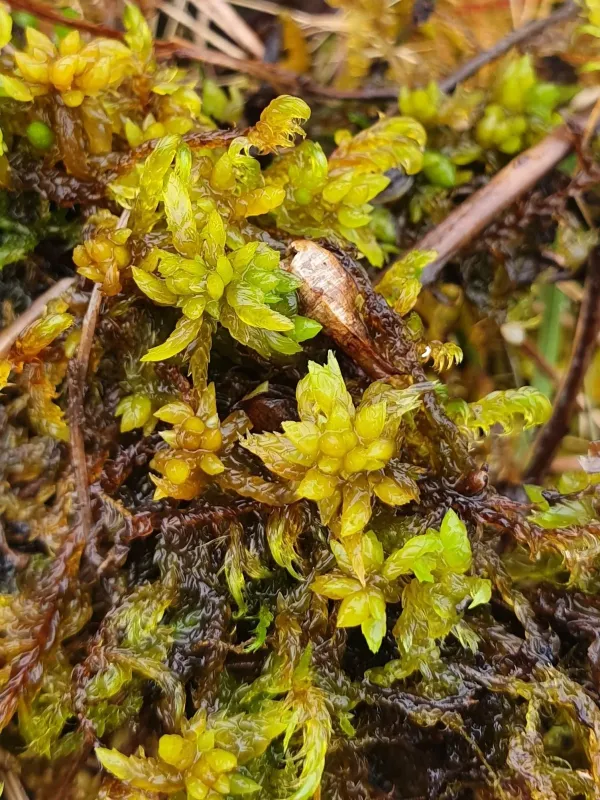
Description
Growing requirements
Flat-leaved peat moss (Sphagnum platyphyllum) is a member of the Sphagnaceae family. This perennial bryophyte typically inhabits wetlands and fens where high water tables and acidic conditions are present throughout the growing season.
The culture has strict requirements regarding its habitat. It thrives best in mesotrophic or oligotrophic conditions, requiring constant moisture levels and access to clean, non-saline water sources for nutrient absorption.
Climate adaptability is a significant trait of this species. It is well-suited to temperate zones, demonstrating high tolerance for cold winters, provided the substrate remains saturated to prevent desiccation during freezing temperatures.
Soil management for this crop involves maintaining a specific peat-based substrate with high water retention capacity. Any deviation in moisture levels or introduction of excessive nitrates can inhibit growth and lead to the colonization of competing vegetation.
Light exposure must be carefully managed. While the moss requires energy for photosynthesis, direct intense sunlight causes heat stress and water loss. Semi-shaded environments or sites under tree canopies are ideal for maintaining healthy colony density.
Harvesting
Harvesting Sphagnum platyphyllum involves the manual or semi-mechanized cutting of the upper green portion of the stems. This regenerative harvesting ensures the remaining basal parts remain alive to resume growth and restore the moss mat.
Post-harvest processing requires immediate cleaning to remove debris, woody fragments, and competing plant species. This cleaning stage is crucial for producing a high-grade horticultural substrate for professional use.
Drying is performed under controlled conditions with natural ventilation to retain the moss's characteristic hygroscopic properties. Proper drying prevents fungal growth and ensures the material remains useful for long-term storage.
The main commercial applications include the production of professional potting mixes, particularly for orchids, carnivorous plants, and greenhouse propagation of sensitive cuttings requiring high humidity.
Additionally, the moss serves as a valuable additive in soil mixtures to enhance moisture management and provide natural antimicrobial benefits, thereby protecting plant roots from various soil-borne diseases.