
Sphagnum papillosum
Sphagnum papillosum
Description
Growing requirements
Sphagnum papillosum, commonly known as a type of peat moss, belongs to the Sphagnaceae family. It is a dominant species in raised bogs and is essential for the structure and function of wetland ecosystems.
This species thrives in strictly oligotrophic and acidic conditions, relying primarily on rainwater for nutrients. It requires a stable, high water table to maintain its physiological functions and continuous growth cycles.
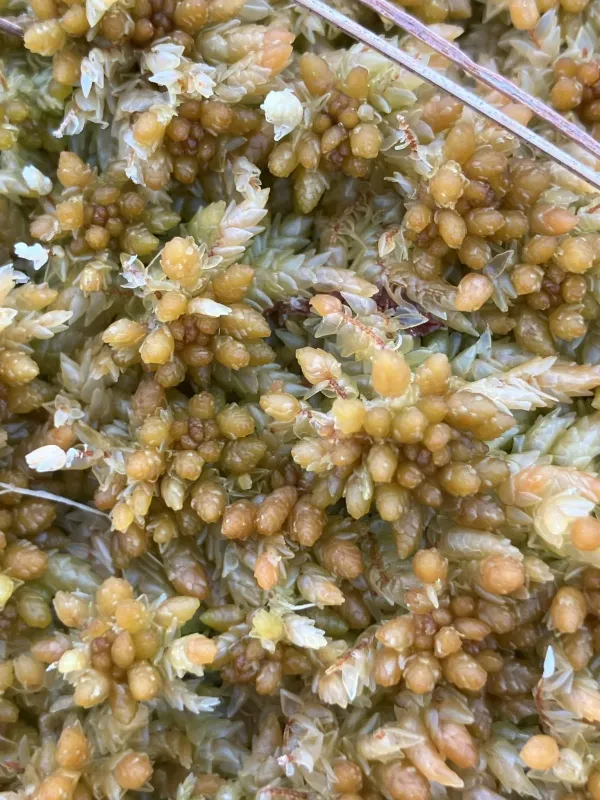
Botanically, Sphagnum papillosum is distinguished by its yellowish-brown appearance and the presence of small papillae on the cell walls, which enhance its water-retention capabilities and structural integrity.
The plant grows best in cool to temperate climates with high atmospheric humidity. It is sensitive to desiccation, requiring sheltered areas to prevent the rapid evaporation of moisture from its delicate leaves.
Growth occurs through apical meristematic activity. As the plant expands upwards, the lower sections die off and become incorporated into the peat profile, making it a critical peat-forming species in northern latitudes.
Yield
The primary agricultural use of Sphagnum papillosum lies in its extreme hygroscopic capacity. It is highly valued as a growing medium for orchids, ferns, and various carnivorous plants in commercial greenhouses.
In horticulture, the dried moss serves as an excellent mulching material, helping to regulate soil moisture levels and prevent the compaction of the potting medium in small containers.
Due to its natural antibacterial properties, the moss is used as a sanitary component in nursery production to prevent the spread of soil-borne diseases such as damping-off in seedlings and delicate cuttings.
The moss is also essential for the safe transport of plant material, providing a moist, aseptic environment for roots during long-distance shipping, which ensures high survival rates for sensitive varieties.
Sustainable harvesting of this moss provides a significant commercial resource that balances human demand with ecological conservation, provided that traditional harvesting cycles are maintained in the bogs.
Main diseases and pests
The loss of habitat due to drainage and peatland conversion remains the most significant threat to Sphagnum papillosum. Once the water table drops, the species is quickly outcompeted by vascular plants.
Pollution, particularly nitrogen deposition from nearby agricultural areas, can lead to the displacement of the moss by more aggressive, nitrophilous species that disrupt the bog’s delicate nutrient balance.
In managed cultivation or storage environments, improper airflow and excess standing water can lead to the growth of harmful mold and fungal pathogens, potentially ruining the harvested crop.
Pests such as specialized mites can occasionally infest the moss if it is stored in damp, unventilated warehouses, though these issues are rare when proper storage protocols are followed.
Climate change, manifesting through increased summer temperatures and erratic precipitation, poses a long-term risk to natural populations, making the protection of bog ecosystems essential for future viability.
Harvesting
Manual harvesting is the preferred method for collecting Sphagnum papillosum, ensuring that enough biomass remains to allow the population to regenerate naturally within a few growing seasons.
After collection, the material is cleaned of forest debris and other moss species to ensure a uniform product. Proper drying is then carried out in shaded, well-ventilated areas to preserve the cell structure.
Storage requires cool, dry conditions with adequate protection against pests and moisture. Maintaining these parameters ensures that the moss retains its absorbent quality for extended periods.
Commercial transport of the product is typically conducted in compressed bales, which allows for efficient space management while protecting the integrity of the fragile moss fibers during the trip.
Quality control standards involve visual inspection for consistency, color, and freedom from extraneous materials, ensuring that the end-user receives a high-performance product for their horticultural needs.