
Bog peat moss
Sphagnum palustre
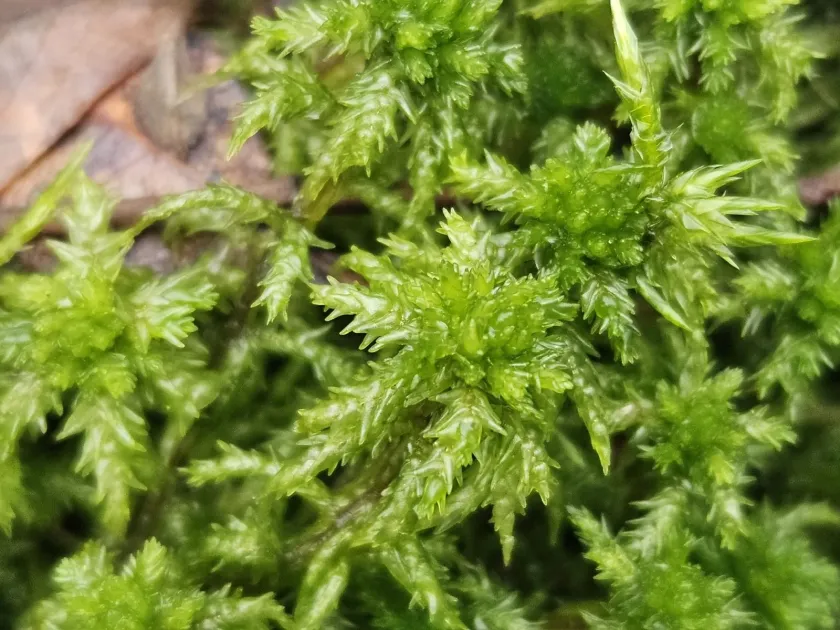
Description
Growing requirements
Bog peat moss (Sphagnum palustre) is a perennial plant belonging to the Sphagnaceae family. It is a vital component in peatland formation and is essential for maintaining natural hydrologic stability.
The plant thrives in acidic, waterlogged environments, preferring pH levels between 3.0 and 4.5. It lacks true roots and absorbs water directly through its leaves and stems, requiring high ambient humidity.
Optimal growth depends on consistent moisture availability. In cultivation, it requires a shaded to semi-shaded environment to prevent desiccation from direct sun exposure, which can severely stress the plant.
Soil requirements involve using specialized substrates based on sphagnum peat or other acidic media. The medium must be free from lime or mineral fertilizers, as excessive salts are lethal to this species.
When managed properly, it forms a dense, carpet-like structure. This biological layer is excellent at regulating moisture levels, making it a sustainable choice for greenhouse and horticultural management.
Yield
Yield is determined by the annual biomass accumulation of the moss. In controlled settings with optimal water tables, the sphagnum mat can grow significantly in density each season.
The plant is highly valued for its antibacterial properties, which are derived from specific compounds like sphagnol. This makes it a natural antiseptic substrate for sensitive crops and nursery plants.
Horticultural uses include its application as a base for potting mixes. It improves soil aeration while providing long-lasting water retention, which is critical for orchids and other moisture-loving epiphytes.
In landscaping, it serves as an effective mulch. It helps prevent soil erosion, keeps roots cool during hot weather, and maintains the necessary acidity for acid-loving ornamental plants.
As a sustainable agricultural resource, its production cycle is highly efficient, provided that the water balance and pH levels remain within the plant's tolerance range.
Main diseases and pests
The greatest threat to this culture is the disturbance of the local hydrology. Drainage or lowering of the water table is the primary cause of population collapse and eventual crop loss.
Chemical sensitivity is a key issue; contamination from pesticides, herbicides, or synthetic fertilizers can quickly inhibit growth and lead to the rapid decline of the moss colony.
Competition from vascular plants, such as sedges or woody shrubs, poses a significant risk. These competitors can rapidly shade out the sphagnum, altering the micro-environment in their favor.
Disease outbreaks are typically limited to mold growth caused by stagnant conditions without proper aeration. Maintaining a consistent, fresh water supply is essential to prevent decay.
Environmental stressors such as heat waves or drought can cause dehydration damage. Protection through shading and manual misting systems is often required in non-native environments.
Harvesting
Harvesting involves the careful removal of the top portion of the moss. It is crucial to retain the lower, living stem portions to ensure rapid regrowth and long-term sustainability of the site.
The ideal harvest window occurs at the peak of the growth season. Workers must ensure that the harvested material is clean and free of invasive plant debris for premium quality.
Proper drying is essential to prevent decomposition before transport. The material should be processed in well-ventilated sheds, away from direct sunlight, to maintain its structural integrity.
Once dried, the moss can be baled or packaged for retail as a horticultural product. Efficient packaging helps in maintaining the quality of the fibers for end-users like gardeners and florists.
Sustainable harvesting strategies should rotate sites across the farm, allowing harvested areas to recover for several years before subsequent cuts occur.