
Soft bog-moss
Sphagnum molle
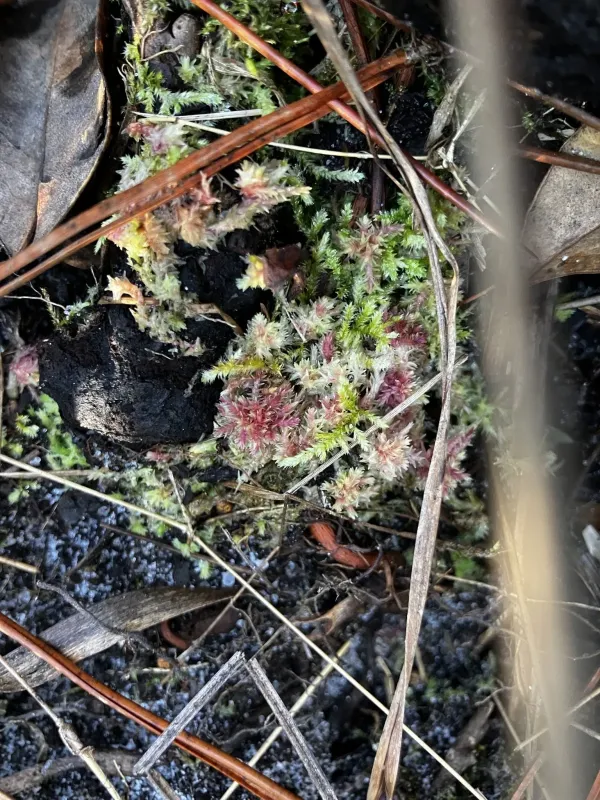
Description
Growing requirements
Sphagnum molle, commonly known as soft bog-moss, belongs to the Sphagnaceae family. It is a distinctive bryophyte species characterized by its ability to store large volumes of water and its role as a peat-forming organism in wetland habitats.
This crop requires specific environmental conditions to thrive, primarily high moisture availability and highly acidic, nutrient-poor soil. It is intolerant of mineral-rich water or elevated concentrations of calcium, which can quickly inhibit its development.
The climate requirements for this species include high atmospheric humidity and relatively cool temperatures. Excessive solar radiation can be detrimental, often leading to rapid desiccation of the carpet, which necessitates the use of shading techniques in agricultural settings.
Agronomic management involves the construction of controlled wetland units where water levels are maintained just below or at the surface. Maintaining a stable hydrological regime is essential for the vegetative growth of the moss, as it lacks a traditional root system.
The primary economic use of soft bog-moss lies in its role as a high-quality horticultural substrate. Its softness and antimicrobial properties make it an ideal choice for orchid cultivation, seed germination, and as a moisture-retaining additive for various potting mixtures.
Main diseases and pests
Pathogenic fungi pose the most significant threat to cultivated moss populations, particularly in environments with poor air circulation or stagnant water. These conditions promote rot, which can devastate an entire crop area if not addressed promptly.
Higher plants, including sedges and rushes, act as aggressive competitors for light and nutrients. Regular weeding is a mandatory practice in commercial moss farming to ensure that the Sphagnum remains the dominant species in the cultivated plot.
Invertebrate pests, such as soil mites, may occasionally feed on the moss tissues. However, chemical interventions are rarely used due to the extreme sensitivity of the moss to synthetic fertilizers and pesticides, which can cause physiological damage.
Water quality is a critical factor for success; even minor contamination from agricultural runoff or industrial waste will cause immediate decline. The crop relies on pristine water sources to maintain its chemical balance and health.
Surface desiccation represents a constant risk during drier months. Automated misting systems or natural windbreaks are often utilized to prevent the moisture loss that can lead to the loss of crop vitality and the change of its natural color.
Harvesting
Harvesting Sphagnum molle is performed through careful manual collection of the upper segments of the shoots. By leaving the lower stems intact, producers ensure the rapid regeneration of the moss, which is vital for long-term sustainability.
The harvest season is typically targeted for late summer to early autumn, coinciding with the peak biomass accumulation phase. Collectors must use tools that minimize physical damage to the moss structure to ensure the highest market quality.
Post-harvest processing involves sorting and cleaning the biomass to remove impurities like decaying leaves or extraneous organic matter. The finished product must be kept in a condition that preserves its hygroscopic characteristics.
Storage requires cool, well-ventilated conditions to prevent the growth of mold or other microbial pathogens. Since the product is highly absorbent, it must be protected from external contaminants that could affect its pH or purity.
The frequency of harvesting is contingent on the moss growth rate, typically allowing for a rotational harvest every three to four years. This sustainable approach to land use is a hallmark of professional Sphagnum farming operations.