
Magellanic bog-moss
Sphagnum magellanicum
Description
Growing requirements
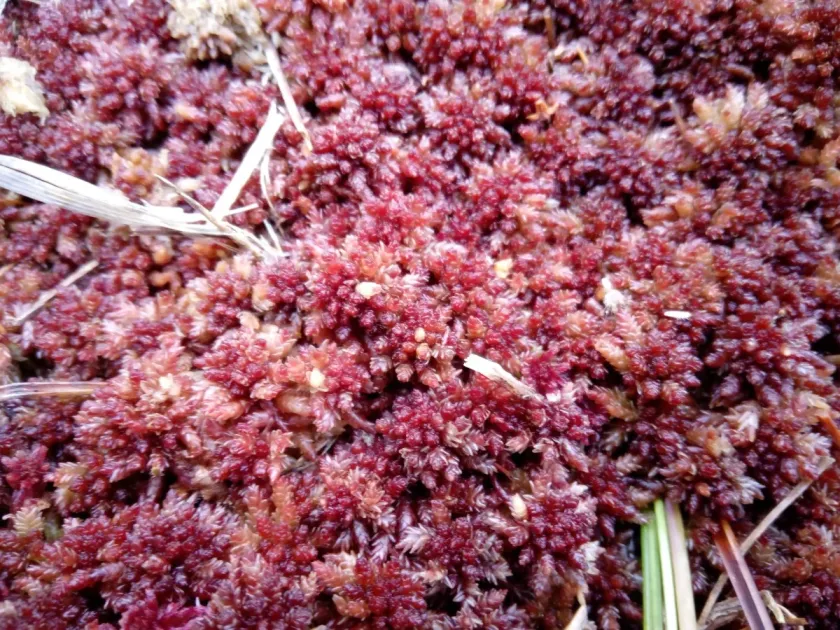
Sphagnum magellanicum, commonly known as the Magellanic bog-moss, belongs to the Sphagnaceae family. It is a perennial bryophyte that forms distinct, often reddish or purplish, cushions in wetlands and boggy environments.
This species is highly specialized for acidic, nutrient-poor conditions. It thrives in environments with a pH range of 3.0 to 4.5. The presence of excess minerals or lime is toxic to the plant, making standard agricultural fertilization practices inapplicable.
Water management is the most critical requirement for cultivation. As the moss lacks a root system, it relies entirely on water uptake through its stem surface. A consistently high water table is essential to prevent desiccation and maintain active growth.
The plant prefers areas with moderate sunlight. While it can withstand direct exposure, it is most productive under diffuse light conditions found in open bog ecosystems, free from competition with vascular plants such as grasses or sedges.
Successful cultivation requires the establishment of controlled-water plots. The hydrological regime must be maintained to ensure the capillary fringe remains within the reach of the moss surface, promoting continuous vertical growth of the apical shoots.
Yield
The yield of Sphagnum magellanicum is defined by the accumulation of biomass over time. Typically, the vertical growth rate ranges between 1 to 3 centimeters per year, requiring a long-term approach to commercial production.
In a controlled bog farming environment, harvesting is usually performed on a multi-year cycle. Yield performance is assessed based on the density of the moss carpet and the absence of extraneous organic impurities like twigs or leaves.
The primary horticultural value of this species is its immense water-holding capacity, which can reach 20 times its dry weight. This property makes it a premium substrate component for orchid cultivation and high-end greenhouse propagation.
Long-term sustainability of the harvest depends on precision cutting. By removing only the top, living section of the plant, the grower ensures the remaining structure serves as a foundation for rapid regeneration of the next crop.
Market economics prioritize high-quality, long-fiber moss. Given the slow growth rate, the profitability of Sphagnum magellanicum cultivation is driven by the premium market for high-performance growing media used by professional nurseries.
Main diseases and pests
Drought is the primary threat to Sphagnum magellanicum plantations. A drop in the water table for even a short duration can lead to the necrosis of the upper plant parts, causing a complete cessation of biomass accumulation.
Invasive vascular plants, such as woody shrubs and sedges, represent a significant threat. Through natural succession, these plants can shade out the moss and deplete the minimal nutrients available, eventually displacing the Sphagnum colonies.
Pathogenic fungi can develop under conditions of poor aeration or stagnant, overly warm water. These infections can lead to rapid decay of the moss cushions, necessitating immediate adjustments to the water flow or drainage.
Pests, while generally less impactful than environmental factors, can damage apical buds. Such damage reduces the vigor of the plant and diminishes the aesthetic and structural quality of the final horticultural product.
Eutrophication is a severe modern threat. The introduction of nitrogen or phosphorus through runoff from nearby agricultural areas can rapidly destroy a Sphagnum colony, as the moss is evolutionary adapted to extremely oligotrophic conditions.
Harvesting
Harvesting is typically conducted in late summer when the moss has reached its peak biomass and developed its characteristic coloration. Specialized manual or mechanical tools are used to ensure that only the surface layer is removed.
Post-harvest processing involves cleaning the moss of debris, twigs, and other vegetative impurities. For commercial trade, uniformity in color and length of the moss fibers are key indicators of high quality.
Drying is performed in covered facilities with high air circulation. Exposure to direct sunlight must be avoided, as UV rays can degrade the natural antiseptic compounds, such as sphagnol, contained within the moss cells.
Proper storage is essential to prevent mold growth. The product must be kept in low-humidity environments and protected from moisture to maintain its hygroscopic properties until the point of sale.
The final product is sorted, baled, or packed for shipping. In the professional nursery trade, intact, long-fibered specimens of Sphagnum magellanicum are highly valued and command higher prices compared to shorter or fragmented materials.