
Lindberg's peat moss
Sphagnum lindbergii
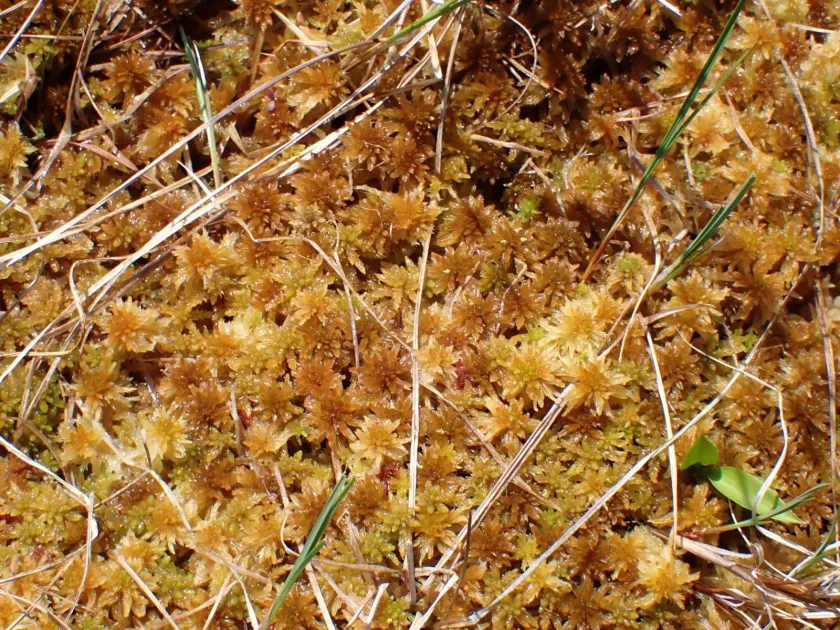
Description
Growing requirements
Sphagnum lindbergii belongs to the family Sphagnaceae. It is a perennial moss that forms expansive carpets in boggy habitats and is widely distributed across the northern hemisphere, particularly in tundra and taiga biomes.
The botanical characteristics of the species include the formation of large, loose mats or carpet-like colonies. Its stems can grow to significant lengths, often displaying a distinct brownish-yellow or reddish-brown hue, which helps distinguish it from other Sphagnum species.
To ensure healthy growth, the culture requires specific hydrological conditions, specifically consistent water saturation. It is a typical hygrophyte that thrives in aapa bogs and low-lying areas with a continuous supply of nutrient-poor, acidic water.
Soil requirements are strict: the medium must be highly acidic and nutrient-poor. In any controlled environment, maintaining a high water table is essential; the moss cannot survive if the underlying substrate becomes dry for even short periods.
The climate must be cool and humid to reflect the moss's natural habitat. While highly cold-resistant and capable of surviving extreme northern winters, the culture is sensitive to overheating, which necessitates good airflow and protection from intense direct sunlight during summer months.
Yield
The primary agricultural and industrial application of Sphagnum lindbergii is the production of moisture-retaining substrates for commercial greenhouses and nurseries. Its cellular structure allows it to hold water many times its weight, making it an ideal soil amendment.
Yield is determined by the annual growth rate of the colonies, which, in optimal natural conditions, adds several centimeters of biomass annually. Sustainable harvesting techniques, which preserve the lower stem portions, are vital for long-term production.
Beyond substrates, the moss is valued in medicinal practices for its antibacterial properties and in the floral industry for its decorative and water-retaining qualities in terrariums and landscaping.
Harvesting is typically conducted using manual or specialized light equipment in wetland areas, adhering to strict environmental standards to prevent the degradation of the delicate bog ecosystems.
Future agricultural practices focus on the artificial cultivation of peat moss in restored or flooded peatlands, ensuring a renewable source of biomass while potentially providing ecosystem services such as carbon sequestration.
Main diseases and pests
The most significant threat to Sphagnum lindbergii populations is drainage and land reclamation. Lowering the water table leads to rapid desiccation and the irreversible death of colonies, as the species lacks mechanisms to survive prolonged drought.
The moss is susceptible to colonization by various epiphytic fungi and opportunistic algae, which thrive if the bog's acidic pH balance is disrupted or if water runoff introduces excessive minerals and pollutants.
Human activities, such as excessive trampling and over-harvesting, can severely disrupt the colony structure. If the regeneration layer is destroyed, the site often becomes overgrown by vascular plants, causing the moss to disappear.
Climatic stressors, particularly periods of anomalous heat and low rainfall, force the moss into a dormant or dying state. The increase in temperature can cause the drying out of the surface layer, facilitating its replacement by more drought-tolerant species.
While specific insect pests exist, their impact is usually negligible unless the colony is already weakened by environmental degradation or mismanagement, at which point secondary infestations can accelerate the loss of the stand.