
Sphagnum
Sphagnum hybrids
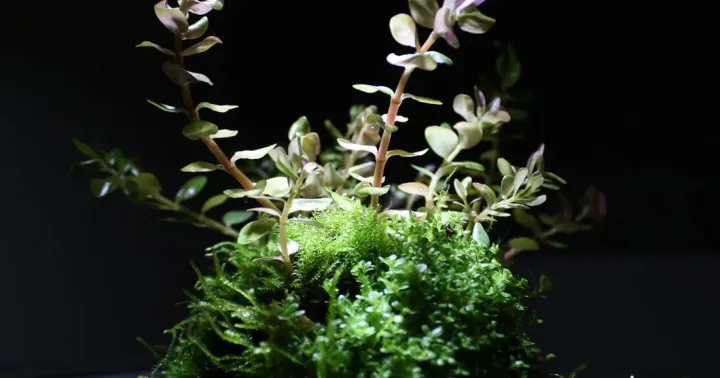
Description
Sowing dates
Sphagnum (Sphagnum) belongs to the family Sphagnaceae and is known for its incredible water-holding capacity and role in peat bog formation.
Cultivation starts by placing healthy moss fragments onto prepared, wet peat surfaces during the early spring to ensure rapid colonization.
It is vital to ensure that the material has direct contact with the moisture-rich substrate, as the moss relies on capillary action to hydrate its tissues.
The establishment period requires careful monitoring, as desiccating winds or extreme heat during the first few weeks can kill young moss shoots.
Once established, the Sphagnum colony is a perennial crop that regenerates itself annually, provided the hydrological balance remains stable.
Growing requirements
Sphagnum requires a consistently high water table, ideally at or slightly above the surface, to maintain its active physiological functions.
The soil must be acidic, with a pH ranging from 3.0 to 4.5, which is necessary to inhibit the growth of competing vascular plants and microorganisms.
Excessive nutrients, particularly nitrogen, phosphorus, and calcium, are toxic to the moss and must be excluded from the cultivation environment.
A cool, temperate climate is ideal, characterized by high atmospheric humidity and minimal solar exposure to prevent the drying of the moss surface.
- Water quality: Soft, rainwater, or deionized water is essential.
- Sunlight: Partial shade or diffuse light.
- Temperature: Cool to moderate, avoiding high heat stress.
Yield
The growth rate of Sphagnum is relatively slow, typically between 1 to 5 centimeters of vertical biomass accretion per growing season.
Economic yields can be achieved after the moss carpet has reached sufficient density, usually requiring 3 to 5 years from the initial planting.
Yield sustainability depends on the harvest method; leaving the lower living portion of the stem allows the moss to regrow effectively.
Purity is the most important factor in determining the quality of the harvested product, as contamination with grasses or woody debris reduces market value.
Controlled cultivation in greenhouses can accelerate growth rates through optimized fogging systems and climate regulation.
Main diseases and pests
The most significant threat to Sphagnum is drainage or lowering of the water table, which leads to immediate degradation and oxidation of the organic layer.
Invasive species, such as aggressive grasses, shrubs, or trees, can outcompete the moss for sunlight and space if the site is not properly maintained.
Pollution from mineral-rich waters, especially those high in nitrates or heavy metals, can cause localized die-offs due to chemical sensitivity.
Mechanical disturbance of the bog surface by livestock or equipment creates openings where opportunistic weed species can quickly establish themselves.
While moss is generally resilient, severe drought cycles combined with extreme heat can cause irreversible damage to the upper growth points of the plants.
Harvesting
Harvesting involves the manual or mechanical gathering of the upper layer of living moss, typically leaving the base to ensure natural regrowth.
Post-harvest processing includes sorting to remove unwanted organic matter and washing the moss to maintain its hygienic standards for horticultural use.
Drying must be conducted in controlled conditions to preserve the structural integrity and hygroscopic properties of the moss fibers.
Compressed bales are the standard for transport, allowing for efficient shipping while protecting the delicate moss structure from physical degradation.
Final products are utilized widely in nurseries for orchid cultivation, as a soil conditioner, and for the creation of terrariums and plant shipping liners.