
Sphagnum girgensohnii
Sphagnum girgensohnii
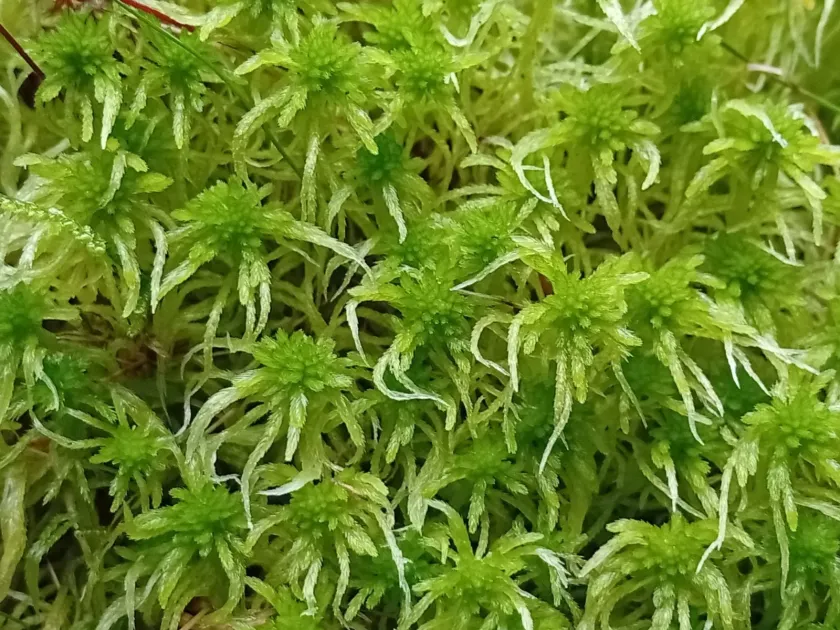
Description
Sowing dates
Sphagnum girgensohnii, a member of the Sphagnaceae family, is propagated vegetatively rather than through seeds. The cultivation process begins by spreading fragments of healthy moss onto a pre-prepared, saturated substrate.
The optimal time for establishing a moss nursery is in early spring, ensuring that the moisture levels remain high enough to facilitate the development of rhizoids.
A suitable site must feature a consistent peat base with low nutrient content to mimic the natural ecological conditions required by the species.
Even distribution of the moss fragments is crucial to ensure a quick and uniform coverage of the area, preventing the colonization of weed species.
Initial stabilization involves maintaining constant ground moisture until the moss shows visible signs of growth and vertical stem elongation.
Growing requirements
This species is strictly acidophilic, thriving in environments with a pH level ranging from 3.5 to 4.5, which is typical for oligotrophic bogs.
Sphagnum girgensohnii requires consistent high humidity and a water table that remains close to the surface to support its capillary water-conducting system.
Partial shade is essential for healthy growth, as direct sunlight can cause rapid dehydration of the capitulum and inhibit photosynthetic activity.
The chemical quality of the water is vital; mineral-rich water can lead to the displacement of Sphagnum by more competitive vascular plants.
Proper aeration of the site is necessary to prevent anaerobic conditions that can lead to rot and disease development in the moss colony.
Yield
Productivity is measured by the vertical growth rate and the density of the moss carpet produced per unit area during the growing season.
Under optimal conditions, the moss can accumulate a biomass increment of several millimeters per year, contributing to the formation of a thick, absorbent layer.
Harvesting strategies involve selectively collecting the top portions of the stems, leaving the lower structure intact to ensure rapid recovery.
Effective yield management requires the control of competing invasive plant species that could deplete resources and stunt the moss's development.
The annual yield is stable if the environmental parameters, particularly the water balance and temperature, are strictly maintained throughout the year.
Main diseases and pests
The most critical threat to Sphagnum girgensohnii is the drying out of its habitat, often caused by regional drainage or significant climatic changes.
Fungal pathogens can become a problem in stagnant water conditions where temperature fluctuations lead to stress in the moss tissue.
Encroachment by vascular plants and shrubs poses a significant threat, as these species can outcompete mosses for space and sunlight.
Pollution from heavy metals or nitrogen runoff can lead to rapid cellular damage, as sphagnum mosses are highly sensitive bioindicators of water quality.
Mechanical destruction through grazing or human interference can permanently damage the fragile surface layer, requiring long recovery periods.
Harvesting
Harvesting is typically performed at the end of the vegetative season, ensuring the moss has achieved peak density and physiological maturity.
Collected biomass is carefully cleaned to remove debris and other organic contaminants, ensuring the purity of the final commercial product.
Drying processes must be carried out at moderate temperatures to maintain the moss's unique physical properties, including its exceptional water absorption capacity.
The processed material is then baled for storage or transport, making it a valuable resource for horticulture and ornamental plant cultivation.
Sustainable harvesting techniques ensure that the site remains productive for future cycles, maintaining the ecological balance of the cultivated area.