
Sphagnum flexuosum
Sphagnum flexuosum
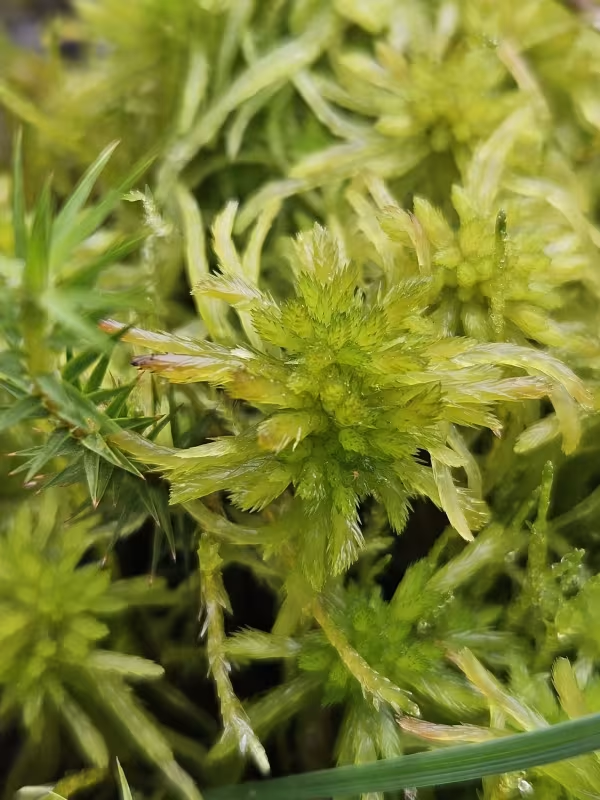
Description
Growing requirements
Sphagnum flexuosum, known as the flexuous bog moss, belongs to the Sphagnaceae family. It is a vital wetland plant known for its ability to regulate water retention and create acidic, low-nutrient environments necessary for peatland health.
Cultivation requires conditions that mimic a natural bog environment. It thrives in high humidity and constant moisture, requiring a substrate that is highly acidic, typically with a pH level between 3.5 and 5.0, which discourages competitive weed growth.
Water quality is the single most important factor for success. Tap water containing minerals like calcium or magnesium must be avoided at all costs, as these elements disrupt the plant's physiological processes and will kill the moss.
Light levels should be moderate; direct, scorching sunlight can damage the moss. Providing filtered or dappled light is ideal for healthy growth and maintaining the vibrant coloration of the moss colonies.
The substrate should be composed of low-nutrient, organic material like high-quality peat moss. It is essential to ensure that the medium remains aerated but fully saturated at all times to promote rapid apical growth.
Yield
The primary agricultural use for Sphagnum flexuosum is as a premium growing medium in horticulture. Due to its extraordinary water-holding capacity, it is a staple for orchid growers and greenhouse propagation.
Yield is measured by the vertical growth of the stems. In optimal conditions with consistent misting and proper temperature control, moss beds can be harvested systematically while leaving enough biomass for rapid regeneration.
Propagation is primarily vegetative. By fragmenting mature stems and scattering them over a prepared, moistened, acidic peat bed, new moss colonies will establish themselves quickly when humidity is strictly regulated.
Beyond substrates, the moss is valued for its antiseptic properties. It is often used in specialized applications where moisture retention must be paired with natural resistance to decay and mold development.
Proper harvesting techniques ensure sustainability. By collecting only the top sections, growers can maintain a healthy, continuous production cycle that balances agricultural output with ecological conservation.
Main diseases and pests
Fungal pathogens represent the primary threat to moss cultivation. If air circulation is poor or if the surface remains stagnant for too long, mold can rapidly overtake and smother the sensitive moss tissues.
Mineral toxicity is a major hazard in agricultural settings. Because sphagnum is designed to thrive in nutrient-poor conditions, any exposure to fertilizers or nutrient-rich runoff will cause immediate and irreversible damage.
Invasive weed species, particularly grasses and vascular bog plants, can outcompete the moss for resources. Regular manual weeding is necessary to keep the moss colonies clean and ensure they continue to spread.
Drying out is the most common cause of crop failure. Sphagnum moss lacks a deep root system and relies on surface moisture; therefore, even short periods of desiccation can lead to the death of the entire plant structure.
Managing the ecosystem balance is key. Using purified rainwater and maintaining a stable, humid microclimate serves as the most effective preventative measure against both biological pests and environmental stress.