
Fringed bogmoss
Sphagnum fimbriatum
Description
Growing requirements
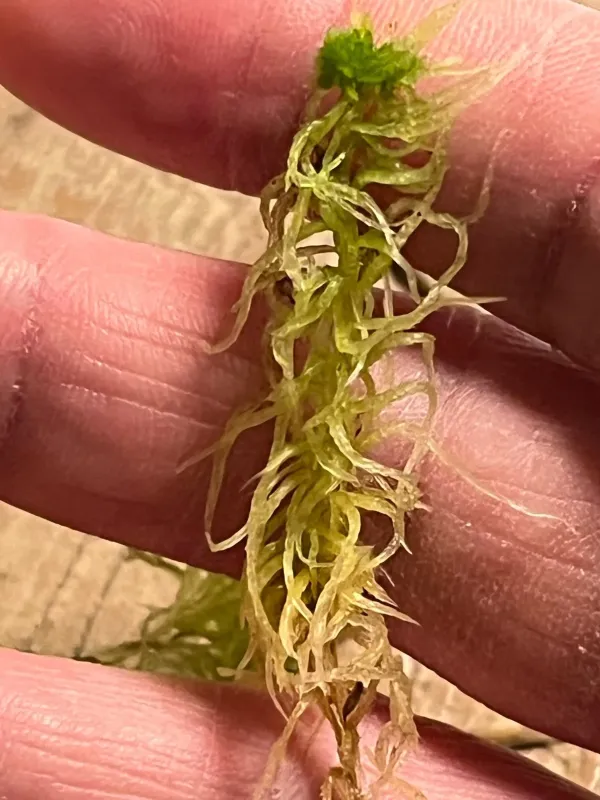
Fringed bogmoss (Sphagnum fimbriatum) is a perennial bryophyte belonging to the Sphagnaceae family. It is a critical component of peatland ecosystems, functioning as a primary builder of nutrient-poor, waterlogged habitats.
Originating in the northern hemisphere, this species is widely distributed across temperate and boreal regions. Its botanical structure is defined by its characteristic fringed branches, which facilitate efficient water absorption and retention.
The cultural requirements for this moss involve specific hydrological management. It thrives in acidic environments with low mineral content and high water tables, requiring near-saturation conditions throughout the growing season.
Agrotechnical management focuses on maintaining a shading strategy to prevent desiccation. Direct sunlight on the apical tips can quickly destroy the plant's capacity for photosynthesis and water transport.
Industrially, this species is harvested for horticultural substrates. Due to its high porosity and natural decay-resistant properties, it serves as an excellent medium for moisture-sensitive plant propagation.
Main diseases and pests
The primary threat to fringed bogmoss populations is land drainage and the disruption of local hydrology. A decline in the water table is the most significant factor leading to crop loss and ecological degradation.
Pollution represents another major concern. The moss acts as a biological filter, accumulating atmospheric toxins and heavy metals, which eventually kills the gametophytes and compromises the quality of the harvested material.
Nutrient loading, particularly nitrogen runoff from adjacent agricultural lands, stimulates the growth of vascular plants that outcompete the moss for light and space, leading to the loss of the bogmoss carpet.
Fungal infections can occur in commercial cultivation if the moisture levels are not coupled with proper airflow. Excessive heat trapped in the moss structure promotes decay caused by opportunistic pathogens.
While insect damage is generally minimal, the physical degradation of the colony by external agents can create entry points for secondary diseases that jeopardize the stability of the entire plantation.