
Sphagnum fallax
Sphagnum fallax
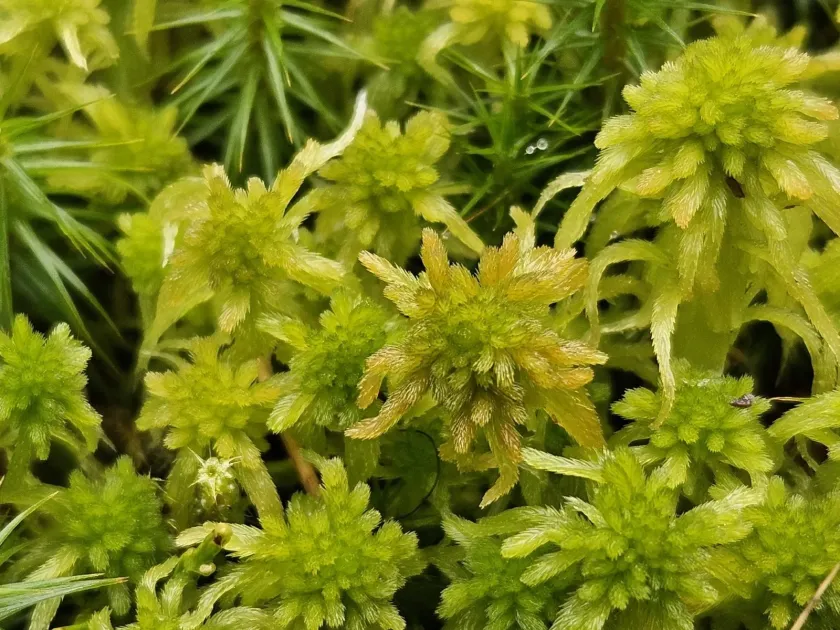
Description
Growing requirements
Sphagnum fallax is a prominent species within the Sphagnaceae family, widely recognized for its ecological importance in peatland ecosystems. It is a perennial bryophyte characterized by its branching structure and exceptional water-holding capacity.
Successful cultivation requires habitats with high, stable water levels and acidic substrate conditions. The plant performs best in oligotrophic environments where nutrient levels are naturally low, which prevents the growth of competing vascular plants.
Climatic requirements focus on high atmospheric humidity and moderate temperatures. While the moss can tolerate various light levels, protection from intense, direct solar radiation is essential to prevent desiccation and preserve the vitality of the growth tips.
Agronomic management involves selecting appropriate peat-based substrates with low decomposition rates. Maintaining the water table near the soil surface is the primary factor in ensuring vigorous development of the moss carpet.
Propagation is primarily conducted via vegetative fragmentation, where small sections of healthy stems are distributed across moist, prepared surfaces, allowing for rapid colonization and development of a dense biomass.
Yield
The yield of Sphagnum fallax is defined by the volume and quality of its biomass. In optimized conditions, the vertical growth of stems provides a sustainable source of high-quality moss that can be harvested regularly.
Horticultural applications include using the dried moss as a premium substrate component for orchids, carnivorous plants, and greenhouse nursery stock, where moisture regulation is critical for plant health.
The natural antiseptic properties of the moss help inhibit fungal and bacterial growth around root systems, making it an excellent medium for protecting cuttings and seedlings during propagation and shipment.
In agriculture, it is prized as a soil conditioner that improves aeration and moisture retention in container mixes, significantly reducing the frequency of irrigation required for sensitive crops.
The growing market for organic potting mixes has increased the demand for sustainable moss production, providing a viable economic model for utilizing restored or managed peatland areas.
Harvesting
Harvesting is performed by carefully trimming the top layers of the moss population, ensuring that the lower segments remain to facilitate rapid regeneration of the colony.
Post-harvest processing involves thorough cleaning to remove organic debris, followed by controlled air-drying. The drying process is carefully monitored to maintain the unique cellular structure responsible for water absorption.
The final product is graded based on cleanliness and stem length, meeting industry standards for horticultural applications and professional landscape design projects.
Storage of the finished product requires breathable packaging to prevent premature decomposition and mold growth. Proper storage conditions ensure that the moss retains its hygroscopic properties for several seasons.
Implementing a rotational harvesting cycle ensures the long-term productivity of the moss fields, maintaining ecological balance while providing a steady supply of this versatile agricultural commodity.