
Sphagnum denticulatum
Sphagnum denticulatum
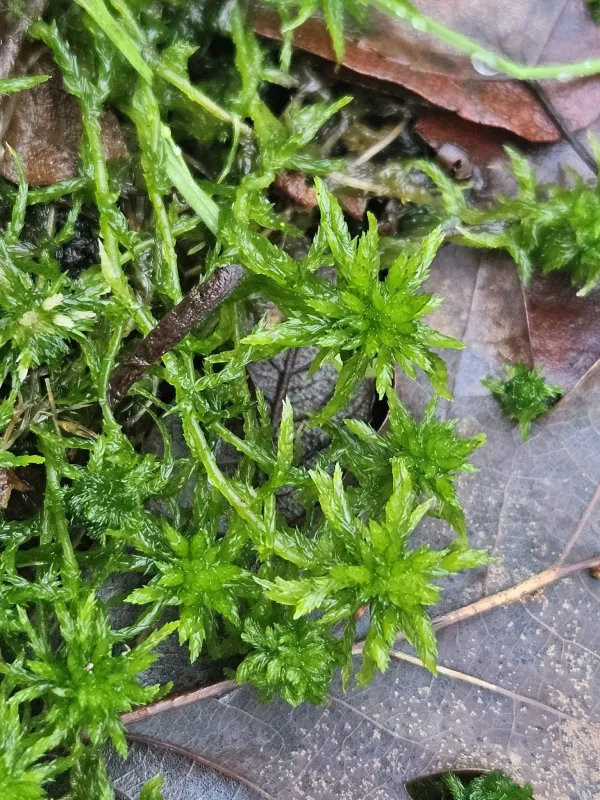
Description
Growing requirements
Sphagnum denticulatum is a perennial moss belonging to the Sphagnaceae family, recognized for its exceptional water-retention capabilities. This species thrives in wetland environments, playing a crucial role in creating acid-rich habitats suitable for specific nursery and greenhouse operations.
The cultivation requires highly acidic soil conditions, typically ranging between 3.5 and 5.0 pH. It is essential to maintain a constant supply of mineral-poor water to sustain the growth cycles, as the species is highly sensitive to calcium levels and salt accumulation.
In terms of light and temperature, the crop prefers cool, shaded or semi-shaded environments with high ambient humidity. Excessive heat or direct sunlight can cause rapid dehydration, leading to the browning and eventual mortality of the moss shoots.
Botanically, it forms loose tufts with distinctive branching patterns. Propagation is primarily vegetative, achieved by distributing mature fragments over a prepared, moist, and acidic peat-based substrate, which ensures high yield potential in controlled bog conditions.
Economically, it serves as an indispensable material in horticulture for propagating sensitive species and as a natural antimicrobial agent. Its ability to absorb water many times its dry weight makes it an ideal substrate for orchids and other epiphytes.
Main diseases and pests
The primary threat to the cultivation of Sphagnum denticulatum is the fluctuation of hydrological levels. Any irrigation disruption or drainage of the production area leads to immediate desiccation and a significant decline in the growth rate of the crop.
Pathogenic fungi can emerge in stagnant conditions where water circulation is insufficient. Ensuring a gentle flow or regular refreshing of the water is critical to preventing the buildup of harmful microorganisms that can damage the moss structure.
Invasive species, including common sedges and woody weeds, act as major competitors. Their encroachment alters the chemical environment of the bog, often leading to the exclusion of the moss unless proactive manual weeding is conducted regularly.
Insect larvae can occasionally infest the spore-bearing organs, although they rarely cause catastrophic damage in properly maintained acidic environments. The naturally high acidity of the Sphagnum growth medium acts as a deterrent for many typical crop pests.
Chemical contamination, specifically from agricultural fertilizers or pesticides used in adjacent fields, poses a severe risk. Even minor trace elements from runoff can shift the pH balance or introduce toxicity, causing long-term damage to the plant population.