
Sphagnum cuspidatum
Sphagnum cuspidatum
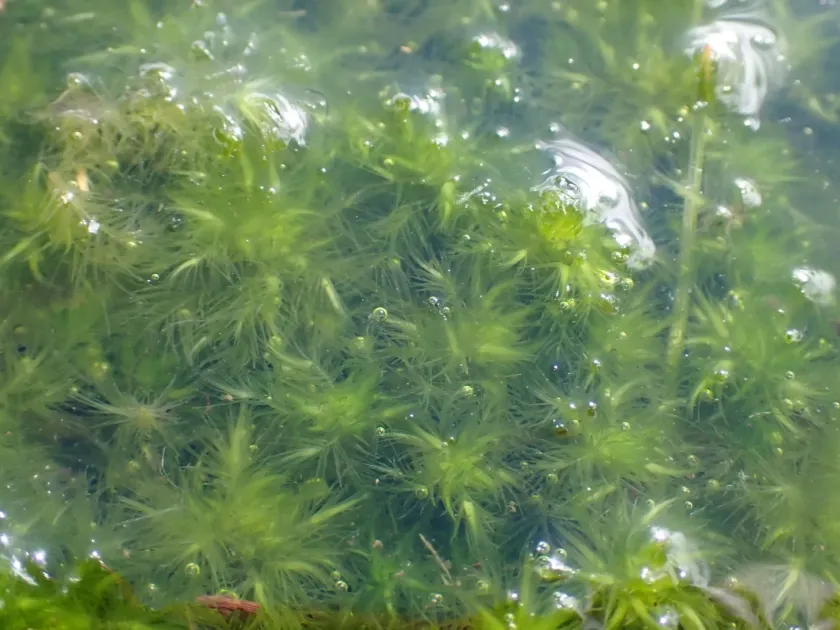
Description
Sowing dates
Sphagnum cuspidatum is a perennial bryophyte belonging to the Sphagnaceae family, primarily propagated through vegetative fragmentation of its stems.
The ideal time for establishing a moss plantation is in early spring or late autumn when humidity levels are optimal for the establishment of new colonies.
Planting involves spreading moss fragments over a prepared, moist, and acidic substrate, ensuring close physical contact between the plant and the growth medium.
A high water table is essential during the initial phase, as the lack of deep root systems makes the plant highly dependent on surface moisture.
Planting density is crucial for rapid coverage; closer placement of fragments accelerates the formation of a dense, uniform carpet across the cultivation area.
Growing requirements
Sphagnum cuspidatum thrives exclusively in acidic environments with a pH range of 3.0 to 4.5 and requires water low in mineral salts and nutrients.
The culture is best suited for bogs or artificially created irrigation cells where a constant supply of soft, oligotrophic water is guaranteed throughout the year.
Light requirements are specific: the moss prefers dappled sunlight or light shade, as direct, intense sunlight can dehydrate the tissue and damage photosynthetic pigments.
Temperature management is important, with the moss performing best in temperate conditions; heat stress must be avoided to maintain vigorous growth rates.
Adequate air circulation is necessary to prevent stagnant conditions that could promote rot at the base of the moss colony, ensuring long-term health.
Yield
Under optimal management, Sphagnum cuspidatum can yield between 10 to 15 tons of dry biomass per hectare annually, depending on local climate conditions.
The accumulation of biomass is steady, allowing for sustainable long-term production if the hydration and chemical balance of the growing area are preserved.
Vertical growth rates vary but can reach several centimeters per season, providing sufficient material for selective harvesting without damaging the primary colony.
The commercial quality of the yield is defined by the moss's water-holding capacity, which remains one of the highest among all known bryophytes.
Yield stability is strongly linked to the control of the water level; even minor fluctuations in hydration can lead to significant variations in seasonal biomass production.
Main diseases and pests
Mineral enrichment, especially from fertilizers containing nitrogen or calcium, is the most significant threat, as it disrupts the moss's ability to compete in its niche.
Invasive vascular plants and shrubs can suppress moss growth by competing for sunlight and altering the micro-environment, requiring regular site maintenance.
Pathogenic fungi can emerge in poorly drained areas where water flow is restricted, leading to localized patches of decay within the moss carpet.
Insects and certain nematodes may cause minor damage to the stems, although such occurrences are usually rare in healthy, well-maintained plantations.
Atmospheric pollution and acidic rainfall containing heavy metals can severely inhibit the vitality of Sphagnum cuspidatum, leading to colony degeneration.
Harvesting
Harvesting is typically performed by cutting the upper, living sections of the stems, leaving a base of at least 3–5 cm to facilitate rapid regeneration.
The best harvest window is during the late summer, ensuring the moss has reached sufficient density while maintaining its characteristic elasticity.
Post-harvest processing involves careful cleaning to remove debris, followed by natural, shaded air-drying to preserve the cellular structure and hygroscopic properties.
It is vital to avoid high-temperature drying methods, as heat destroys the natural absorbency that makes the material valuable for professional horticulture.
Stored moss should be kept in cool, dry, and well-ventilated conditions to prevent mold formation and protect the integrity of the collected bio-material.