
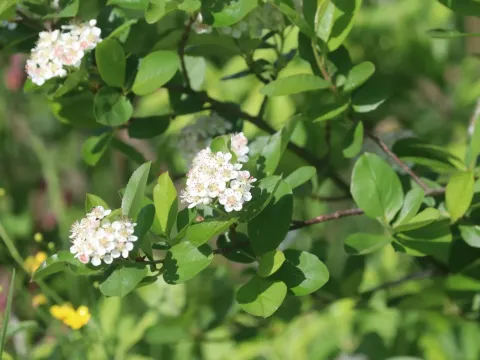
Sorbaronia
Sorbaronia
Sorbaronia is an intergeneric hybrid resulting from the cross-pollination of Sorbus (rowan) and Aronia (chokeberry). As a member of the Rosaceae family, it combines the robust winter hardiness of its parents with excellent productive characteristics.
What the section contains


Sorbaronia
This crop is highly adaptable to various environmental conditions, making it an excellent candidate for diverse climates. It thrives best in locations with full sun exposure, which is critical for maximizing sugar content in the berries and ensuring optimal plant development.
The soil requirements are relatively moderate, as the plant can tolerate a wide range of soil textures from sandy loams to heavier clays, provided there is adequate drainage. Consistent moisture levels are important during the fruit-setting stage to prevent premature shedding of the crop.
Standard agricultural practices for Sorbaronia include regular pruning to manage the canopy structure, as the plant tends to produce dense clusters of branches. Properly managed spacing and thinning ensure improved airflow, which is vital for reducing the risk of fungal infections.
The primary use of Sorbaronia lies in its high-quality fruit, which is rich in antioxidants, vitamins, and minerals. It is widely valued in the food processing industry for juices, jellies, and dietary supplements, while also serving as an attractive ornamental shrub in landscaping.
Sorbaronia is susceptible to typical Rosaceae diseases, including powdery mildew and various leaf spot fungi. Regular monitoring and the application of fungicides during early spring are essential components of an effective integrated pest management strategy.
Pest threats such as aphids and leaf-eating beetles can impact foliage quality and overall vigor of the shrub. Implementing cultural practices, such as removing debris and utilizing neem oil or other biological controls, helps maintain the health of the plantation throughout the season.