
Sorbaronia alpina
Sorbaronia alpina
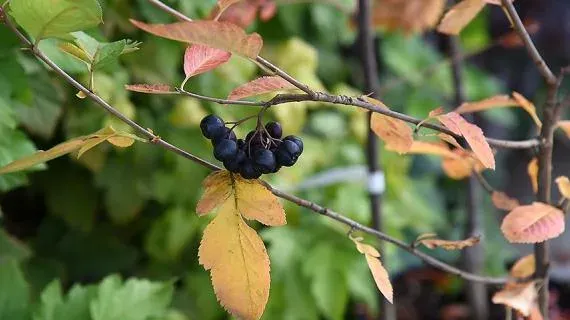
Description
Sowing dates
Planting Sorbaronia alpina is best performed in early spring or autumn when soil moisture levels are optimal for root system establishment. This hybrid thrives when given proper space and a stable environment.
Spring planting should occur as soon as the soil can be worked, but before the buds start to swell significantly. This allows the root system to adapt to the new location before the summer heat.
Autumn planting is also highly effective, providing the plants with enough time to establish their roots before the ground freezes. It is crucial to complete this at least one month before the first frost.
Propagation is primarily done vegetatively. Utilizing suckers or division allows gardeners to expand their plantings while maintaining the exact genetic characteristics of the parent plant.
When selecting a site, ensure that you space the plants at least 2 to 3 meters apart. This provides adequate air circulation, which is vital for reducing the risk of fungal infections and supporting healthy growth.
Growing requirements
Sorbaronia alpina, a member of the Rosaceae family, requires a sunny location to reach its full productive potential. While it can tolerate partial shade, full sun promotes better sugar content in the fruits.
This shrub prefers fertile, well-draining soil with a neutral to slightly acidic pH. Avoid planting in waterlogged areas, as stagnant water can lead to root rot and other physiological issues.
Regular mulching with organic materials such as compost, peat, or wood chips helps retain soil moisture and suppresses weeds, which could otherwise compete with the shrub for nutrients.
Fertilization should be balanced throughout the growing season. Nitrogen applications in early spring encourage vegetative growth, while phosphorus and potassium help in fruit development and cold hardiness.
Pruning is essential for maintaining a productive structure. Regularly removing old, dead, or crossing branches helps direct the plant's energy into producing high-quality berries and new growth.
Yield
Sorbaronia alpina is recognized for its reliable and abundant yield. Once established, the shrub begins to produce significant fruit crops, starting from the third or fourth year after planting.
The berries are typically harvested in clusters. They have a pleasant, mild flavor profile compared to pure chokeberries, making them an excellent choice for both fresh consumption and various culinary uses.
Productivity increases significantly with regular pruning and balanced nutrition. A healthy adult shrub can produce several kilograms of fruit annually, depending on the growing conditions and seasonal weather.
The berries are highly versatile and are commonly used in jams, jellies, fruit juices, and wine production. They retain their quality well when processed shortly after harvesting.
For home gardeners, the consistent yield makes this plant a valuable addition to the orchard, providing both aesthetic beauty in the garden and high-quality produce for the household.
Main diseases and pests
The plant can be susceptible to typical orchard pests such as aphids and leaf rollers. Regular monitoring during the growing season allows for early intervention, often preventing major infestations.
Fungal diseases like leaf spot may occur, especially during wet and humid growing seasons. Maintaining good air circulation through proper pruning is the most effective cultural control method.
Weed management is critical in the early years of the plant's life. Weeds can harbor pathogens and insect pests, as well as compete for essential nutrients and moisture, weakening the shrub.
If chemical interventions are necessary, they should be applied early in the season, adhering to organic guidelines whenever possible to protect beneficial insects and pollinators in the garden.
Keeping the area around the base of the plant clear of leaf litter and debris at the end of the season reduces the risk of overwintering pathogens, promoting plant health for the following year.
Harvesting
Harvesting usually takes place in late summer or early autumn when the berries reach their deep, uniform color and maturity, indicating the development of optimal sugars.
It is recommended to use garden shears to clip the clusters rather than pulling the berries individually, as this protects the plant structure and prevents damage to the delicate skins of the fruit.
Once harvested, the berries should be kept in a cool, well-ventilated area to prevent spoilage. If they are not processed immediately, they can be stored in a refrigerator for a short period.
For long-term storage, freezing or dehydrating the fruit is highly effective. These methods preserve the vitamins and antioxidant properties that make the berries so nutritious.
After the harvest is complete, it is good practice to clear away any remaining stalks or debris around the shrub to ensure the area is clean and ready for the plant's winter dormancy.