
Sorbaronia fallax
Sorbaronia fallax
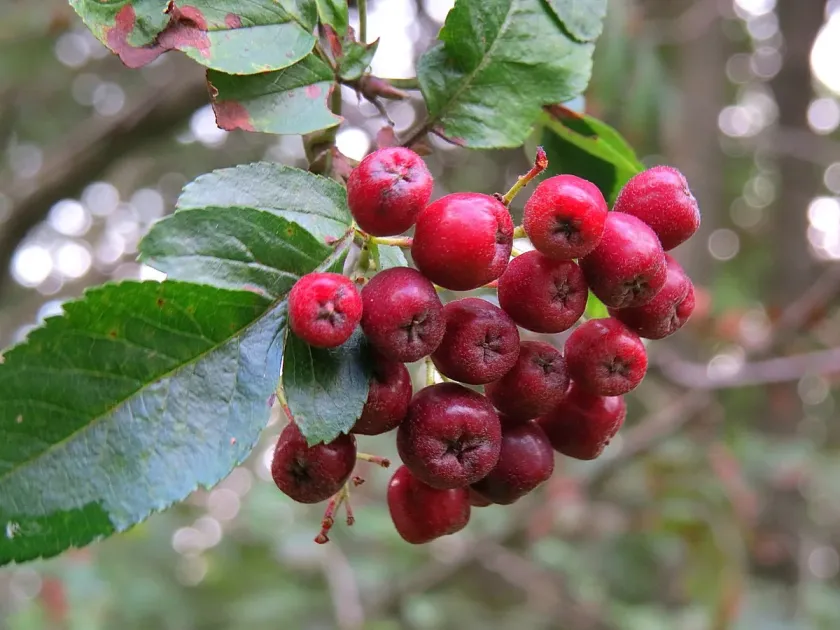
Description
Growing requirements
Sorbaronia fallax is a sophisticated intergeneric hybrid resulting from the crossing of Sorbus aucuparia (rowan) and Aronia melanocarpa (black chokeberry). Belonging to the Rosaceae family, it inherits robust growth characteristics and high ecological adaptability from its parent species.
The plant thrives in temperate climates, demonstrating exceptional cold hardiness and the ability to flourish in various light conditions. While it prefers full sun for optimal fruit ripening, it remains remarkably resilient in partial shade settings.
Regarding soil, this species prefers deep, fertile, and well-drained loamy soils. It displays a moderate tolerance to varying pH levels but performs best in slightly acidic to neutral environments. Adequate soil structure is essential to prevent waterlogging, which the root system is sensitive to.
Agricultural management for Sorbaronia fallax includes regular pruning to maintain an open canopy structure, which is crucial for light penetration and air circulation. Supplementary irrigation is recommended during critical periods of fruit set and development, especially in regions with low annual precipitation.
The economic utility of this hybrid is diverse, spanning from its application in ornamental landscaping to its role as a nutrient-dense fruit crop. The berries are valued for their intense flavor profile and potential use in commercial juice production and dietary supplements.
Main diseases and pests
As a member of the rose family, the plant is susceptible to common diseases such as fire blight and various fungal leaf spot pathogens, particularly in humid and warm environments during the spring months.
Common pests like aphids, spider mites, and scale insects can significantly impact the vegetative growth and photosynthetic efficiency of the shrubs if left unmonitored during the active growing season.
Strategic disease management requires the timely application of fungicides and the removal of affected plant material. Pruning must be executed with sanitized tools to prevent the mechanical transmission of bacterial infections.
Integrated Pest Management (IPM) practices, such as encouraging beneficial insects and monitoring pest population thresholds, are highly recommended to ensure sustainable production with minimal reliance on chemical interventions.
Maintaining vigorous plant health through balanced fertilization and proper site selection remains the most effective defense strategy against the majority of environmental and biotic threats facing Sorbaronia fallax.