
Sorbaronia hybrida
Sorbaronia hybrida
Description
Growing requirements
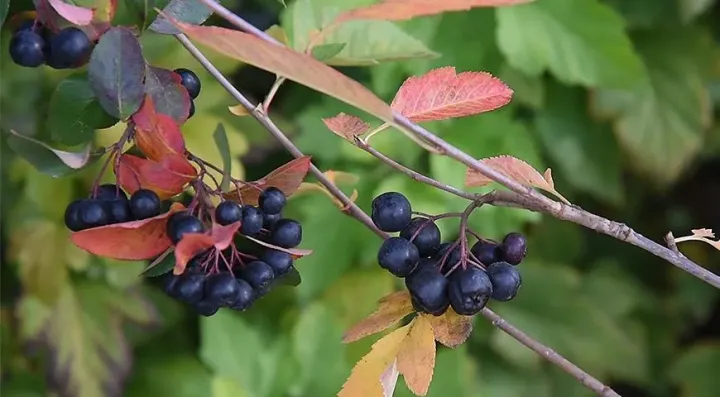
Sorbaronia hybrida is an intergeneric hybrid resulting from a cross between species of Sorbus (rowan) and Aronia (chokeberry), classified within the Rosaceae family. This shrub displays a unique combination of ornamental foliage and edible fruit, making it a valuable addition to both garden landscapes and fruit-bearing plots.
The plant thrives in well-drained, fertile soil, though it is quite adaptable to various soil types, including slightly acidic or neutral loams. It requires full sunlight exposure to maintain robust health and to ensure the development of sugar-rich fruit clusters during the harvest season.
One of the primary advantages of this hybrid is its exceptional cold hardiness, allowing it to withstand harsh winters without special protection. It shows moderate tolerance to drought, yet consistent moisture levels during the fruit-set stage significantly improve both yield quantity and quality.
Agrotechnical management involves regular pruning to ensure proper airflow through the canopy, which helps in preventing excessive density and shade. Annual application of balanced organic fertilizers, such as well-rotted manure, provides the necessary nutrients for sustained vegetative growth.
Beyond its ornamental appeal, the shrub is cultivated for its berries, which are suitable for culinary purposes, including jellies, syrups, and infusions. Due to its dense structure, it also serves effectively as a natural boundary or a screen in garden landscaping projects.
Main diseases and pests
Sorbaronia hybrida may be affected by common diseases found in the Rosaceae family, such as powdery mildew and rust, especially in areas with poor ventilation or high atmospheric humidity. Maintaining good hygiene around the planting site is essential.
Pest issues often involve aphid infestations during the spring growth flush and various mite species. In some regions, fruit moth larvae can damage the berry crop, requiring monitoring during the late developmental stages of the fruits.
Management strategies rely on prophylactic fungicide applications during early spring to suppress fungal growth. If infestations occur, targeted application of soft pesticides or insecticidal soaps can be effective while preserving beneficial insects.
Good cultural practices, such as clearing debris from the base of the shrubs in late autumn, are vital to reducing overwintering populations of pests and diseases. This practice remains one of the most effective non-chemical methods for disease control.
Early intervention is crucial to managing these threats successfully. Regular inspection of the foliage and shoots allows for quick identification of issues, ensuring that the plant remains healthy and continues to produce abundant fruit year after year.