
Sorbaronia
Sorbaronia sorbifolia
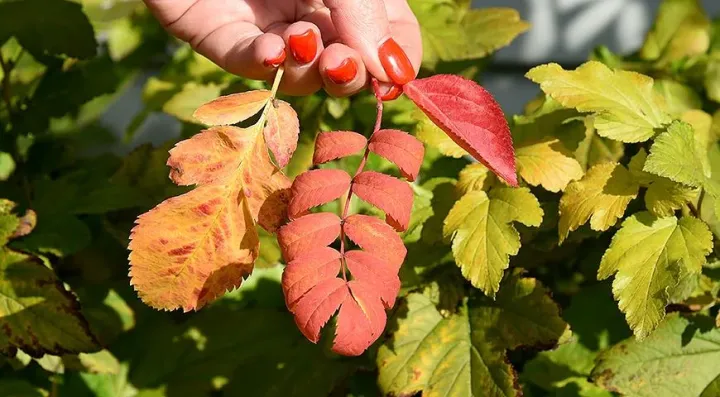
Description
Sowing dates
Sorbaronia is an intergeneric hybrid resulting from the crossing of Sorbus (rowan) and Aronia (chokeberry). In agricultural practice, propagation is primarily performed vegetatively through root cuttings, division of the bush, or green cuttings to ensure the preservation of desirable characteristics.
The optimal planting time for seedlings is early spring, before the onset of active sap flow, or during the autumn months when the plant enters dormancy. Planting with a closed root system allows for greater flexibility, enabling successful establishment throughout the growing season.
When establishing commercial plantations, site selection should prioritize well-lit areas with protection from strong winds. Proper spacing, typically 3 to 4 meters between rows, is crucial to facilitate machinery access and ensure adequate sunlight penetration for each plant.
Preparation of planting pits involves the integration of organic matter, such as well-rotted compost, mixed with phosphorus-potassium fertilizers to support initial root growth. A pit depth of approximately 50-60 centimeters provides enough space for healthy root development.
Immediate irrigation following planting is essential to eliminate air pockets around the root ball. Mulching the base of the shrub with straw or wood chips serves as an effective method to retain moisture and suppress weed growth during the plant's early years.
Growing requirements
Sorbaronia is characterized by exceptional cold hardiness, making it suitable for cultivation in diverse temperate climates. It demonstrates high resilience to extreme winter temperatures and does not require protective shelter after becoming established.
The shrub thrives in a variety of soil types, though it performs best in fertile, well-drained loams. While it shows some tolerance for damp soils, it is susceptible to root stress in waterlogged areas or conditions with a high water table.
Adequate soil moisture is critical during the peak growing season, particularly during the flowering and fruit-setting stages. Consistent irrigation practices help to maximize yield potential and maintain overall plant vigor throughout the dry summer months.
Soil management includes seasonal cultivation to keep the area around the shrubs free of competition from weeds. Applying nitrogen-based fertilizers in early spring stimulates leafy growth, while post-harvest applications help the plant store energy for the subsequent year.
Strategic pruning is necessary to maintain an open canopy, which promotes air circulation and light exposure. Removing old, damaged, or overlapping branches encourages the development of new, productive growth and reduces the risk of fungal infections.
Yield
This crop typically begins to produce a modest harvest by the third or fourth year after planting. Maximum yield capacity is achieved as the shrub matures, generally between the seventh and ninth years of its life cycle.
The fruits are dark-colored, flavorful berries that combine the characteristics of both parents. Their higher sugar content and balanced acidity compared to Aronia make them highly desirable for both fresh market sales and commercial food processing.
Sorbaronia fruits are versatile in culinary applications, being widely used for juices, jams, preserves, and premium fruit wines. Their nutritional profile, rich in antioxidants and vitamins, makes them an increasingly popular "superfood" crop.
Harvesting is typically performed once the berries have reached full maturity, marked by their deep, intense color and characteristic shine. Mechanical harvesters can be used on larger plantations, while manual picking ensures high fruit quality for fresh markets.
Post-harvest storage should be handled in cool, ventilated conditions to prolong shelf life. The firm nature of the berries allows for efficient transportation and effective distribution to markets without significant quality loss.
Main diseases and pests
Like many species in the Rosaceae family, Sorbaronia is susceptible to standard agricultural pests and fungal diseases. Common issues include powdery mildew, scab, and various fruit rots which thrive in humid, poorly ventilated environments.
Disease management relies heavily on preventative cultural practices, such as proper spacing and the regular removal of dead or infected plant material. Fungicidal treatments may be applied during the early season if environmental conditions favor disease spread.
Common insect pests, including aphids, leaf miners, and sawflies, can affect leaf health and overall development. Integrated Pest Management (IPM) strategies, including the use of biological controls or selective insecticides, help to keep pest populations at manageable levels.
Bird damage is a notable threat during the ripening phase, as birds are highly attracted to the dark, juicy berries. Protective netting is often the most effective solution for smaller patches or valuable fruit orchards to ensure a successful harvest.
The overall resilience of the plant is significantly improved through consistent nutrition and proper site management. Vigorous, well-tended shrubs naturally exhibit higher resistance to stress and recover more rapidly from pest or disease challenges.