
Song of India
Dracaena reflexa Lam.
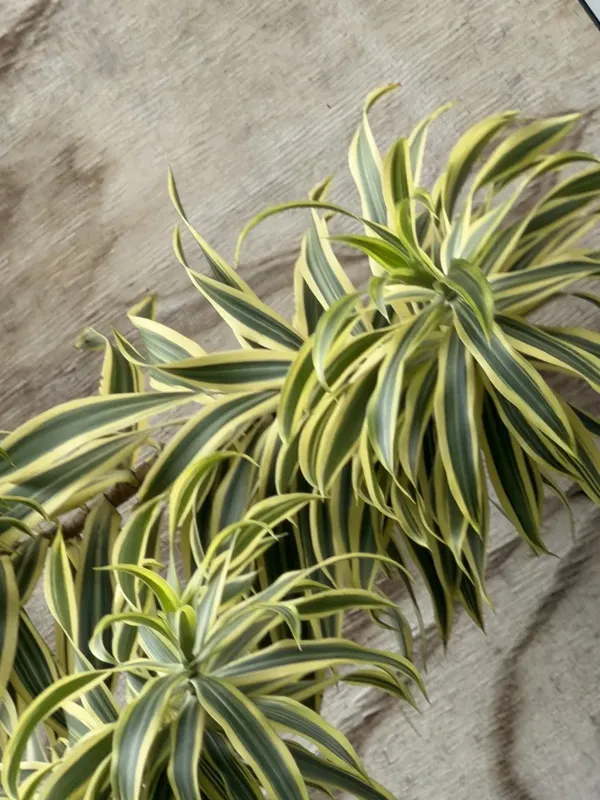
Description
Growing requirements
Dracaena reflexa, commonly known as Song of India, is a member of the Asparagaceae family. This ornamental plant is highly valued for its striking, lance-shaped leaves with yellow or cream variegation, making it a staple in interior landscaping.
Originating from Madagascar and other islands of the Indian Ocean, this plant thrives in warm, humid conditions. It is biologically adapted to semi-shaded forest environments, which makes it a resilient choice for indoor spaces.
Optimal growth requires bright, indirect sunlight. While it can tolerate lower light levels, variegated forms will lose their color intensity if placed in deep shade for an extended period.
The substrate must be well-draining, such as a mixture of peat, perlite, and pine bark. Consistent moisture is required during the growing season, while water levels should be reduced during the dormant winter phase.
Humidity is a critical factor for the aesthetic quality of the foliage. Maintaining levels between 50% and 60% prevents the leaf tips from turning brown and keeps the plant vibrant throughout the year.
Main diseases and pests
Spider mites are the most common pest, especially in dry environments. They feed on the sap of the leaves, causing small yellow stippling and eventual leaf drop, which can severely weaken the plant.
Mealybugs can cluster in the leaf axils, leaving behind a sticky substance. Removal can be done manually with a cotton swab dipped in isopropyl alcohol followed by a neem oil treatment for effective control.
Root rot is the primary physiological disorder caused by overwatering. It leads to the blackening of the roots and wilting of the stem, often indicating that the soil aeration is insufficient for the plant's health.
Leaf spot diseases are typically caused by pathogens that thrive in stagnant air. Ensuring proper spacing and airflow between individual plants is the best preventative strategy against these infections.
When chemical treatment is required, ensure the product is labeled for indoor use. Always treat the plant in a well-ventilated area and inspect surrounding plants to prevent cross-contamination.