
Dracaena concinna
Dracaena concinna Kunth
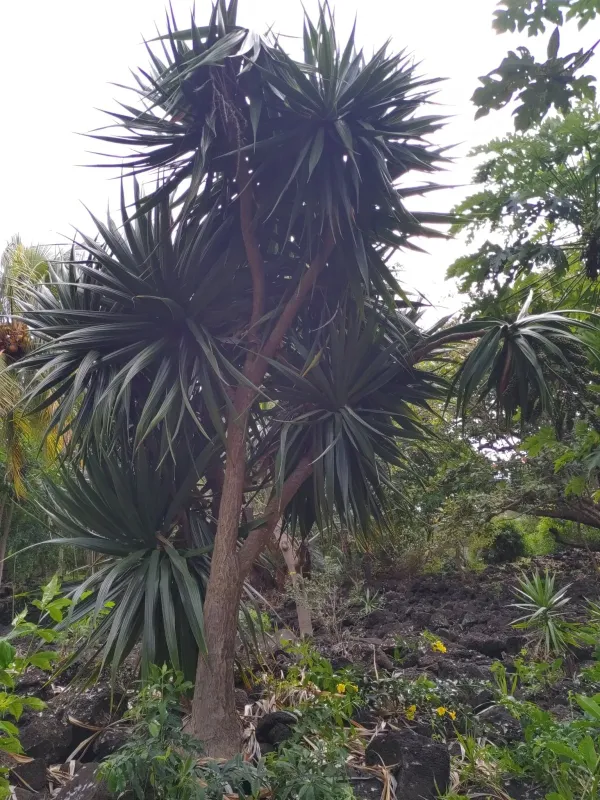
Description
Growing requirements
Dracaena concinna is a perennial evergreen shrub belonging to the Asparagaceae family. This species is characterized by its slender, woody stem and a distinct crown of narrow, elongated leaves, making it a popular choice for interior landscaping.
Originating from the tropical regions of the Mascarene Islands, specifically Mauritius, this plant thrives in environments with high humidity and consistent temperatures. It requires bright, indirect sunlight to maintain its structural integrity and leaf coloration.
The agronomic requirements include a well-draining, slightly acidic to neutral substrate. Proper soil composition is crucial to prevent waterlogging, as the root system of this species is highly susceptible to rot under anaerobic conditions.
Optimal growth is achieved when air humidity remains above 60 percent. In industrial or domestic greenhouse settings, it is essential to monitor temperature fluctuations, keeping them within a range of 20 to 25 degrees Celsius for consistent growth.
The primary use of Dracaena concinna is ornamental. It serves as a vital component in decorative plant production, valued for its slow growth rate, ease of maintenance in controlled environments, and air-purification properties.
Main diseases and pests
Common pests affecting this crop include spider mites, mealybugs, and scale insects. These pests often proliferate in environments with poor air circulation and insufficient atmospheric humidity, causing leaf chlorosis and stunted growth.
Pathological threats involve various forms of fungal leaf spot and root decay caused by overwatering. Integrated pest management, including precise irrigation control and the application of suitable horticultural treatments, is necessary for healthy cultivation.