
Gold Dust Dracaena
Dracaena surculosa Lindl. var. surculosa
Description
Growing requirements
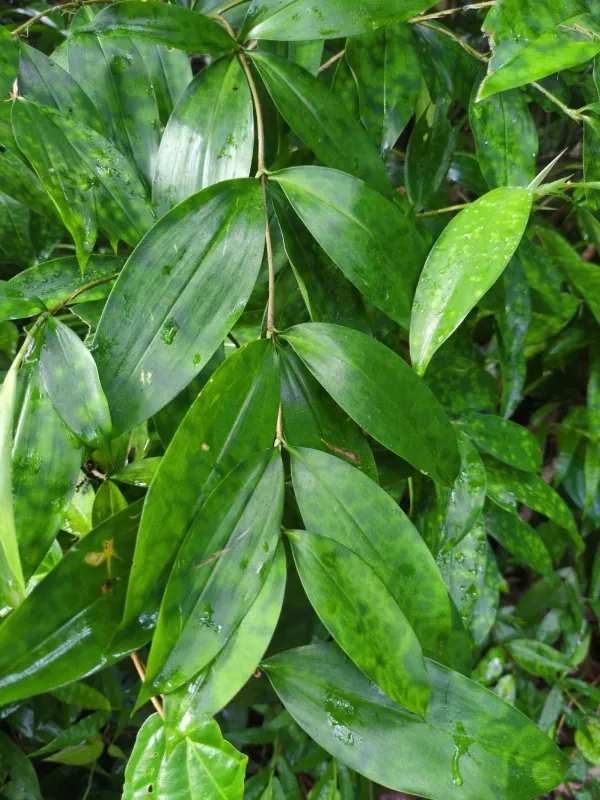
Gold Dust Dracaena (Dracaena surculosa Lindl. var. surculosa) is a distinctive evergreen shrub belonging to the Asparagaceae family. Unlike common treelike varieties, this species produces numerous thin, wiry stems that branch out from the base, creating a spreading, bushy habit.
Native to the tropical rainforests of West Africa, this plant thrives in warm, humid conditions. It is naturally adapted to the filtered light of the forest understory, which makes it an excellent choice for interior environments where direct sunlight is limited.
Successful cultivation requires a well-draining, nutrient-rich potting medium. The soil should remain consistently moist but never waterlogged. A mixture of peat, perlite, and coarse sand is ideal to ensure adequate aeration for the sensitive root system.
Temperature requirements are steady, ideally between 18°C and 26°C. The plant is sensitive to cold drafts and temperatures below 15°C, which can cause leaf drop and stunted growth. Maintaining high ambient humidity is essential for vibrant foliage development.
Maintenance tasks include monthly fertilization during the growing season using a balanced water-soluble fertilizer. Pruning the tips of the shoots helps maintain the desired shape and encourages the plant to fill out, ensuring a healthier and more aesthetically pleasing appearance.
Main diseases and pests
The most common disease affecting this species is root rot, typically caused by overwatering or poor drainage. This fungal condition inhibits nutrient uptake and quickly leads to the decay of the stems, requiring immediate remediation of soil moisture levels.
Pest pressure often originates from spider mites, which thrive in low-humidity conditions and cause stippling on the leaves. Scale insects and mealybugs can also infest the stems, extracting sap and weakening the overall vigor of the plant.
Integrated pest management should involve regular leaf wiping to remove dust and early-stage pests. If an infestation is detected, insecticidal soaps or neem oil are effective organic solutions to restore the plant's health without causing chemical stress.
Proactive care involves monitoring for environmental stressors. Excessive dryness leads to browning leaf tips, while insufficient light may result in the loss of the characteristic yellow or cream-colored spots that define the variety's ornamental appeal.
By implementing a routine inspection protocol and ensuring proper sanitation in the growing area, cultivators can effectively manage risks and sustain the longevity of the Dracaena surculosa in both residential and professional horticultural settings.