
Fragrant dracaena hybrid
Dracaena fragrans x Dracaena steudneri
Description
Growing requirements
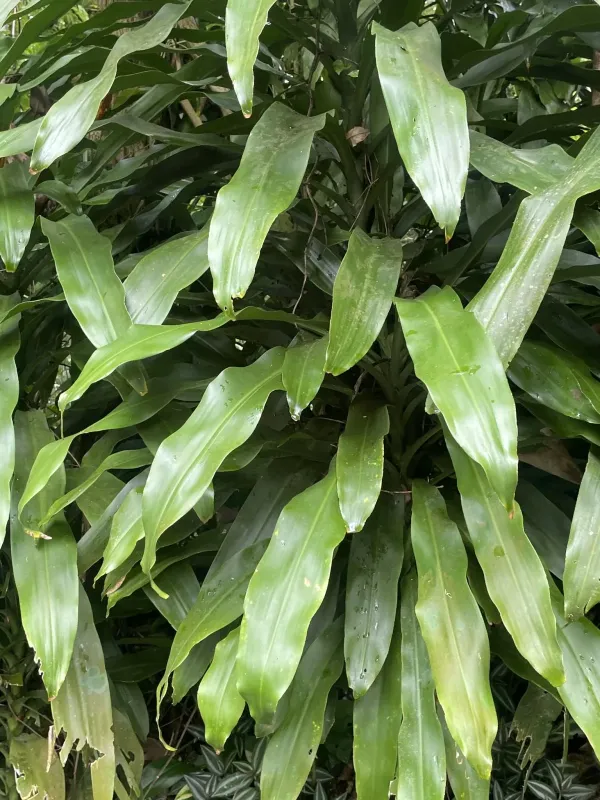
Fragrant dracaena hybrid (Dracaena fragrans x Dracaena steudneri) is a member of the Asparagaceae family. This ornamental woody species is widely recognized for its robust nature and long, lanceolate leaves, making it a staple in professional interior landscaping.
Native to tropical Africa, the plant requires a climate that mimics its origins. Ideal environmental conditions include bright, indirect light, as direct sunlight can scorch the foliage. It thrives best in temperatures ranging from +18°C to +25°C, avoiding cold shocks below +15°C.
Soil requirements for the hybrid include a well-draining, nutrient-rich potting medium. A peat-based mixture with added perlite or bark ensures adequate aeration for the root system, preventing the suffocation and rot often caused by compacted, waterlogged soils.
Irrigation practices must be precise; the plant prefers its soil to dry slightly between waterings. Overwatering is the primary cause of failure, leading to root asphyxiation and subsequent decay of the vascular tissues in the main stem.
Regular fertilization during the growing season is crucial for the development of new leaves. A balanced liquid fertilizer applied every 14 days supports the plant’s structural integrity and maintains the vibrant coloration characteristic of the species.
Main diseases and pests
Common pests include spider mites, mealybugs, and scale insects. These pests thrive in dry environments and can quickly colonize the undersides of leaves and the junction between leaves and the stem, leading to stunted growth.
Fungal pathogens such as Fusarium or Rhizoctonia species often emerge as a result of poor drainage or excessive humidity around the root zone. These fungi cause wilting, yellowing, and eventual death of the affected plant tissues.
Control strategies for pests include regular washing of the foliage and the application of horticultural soaps or systemic insecticides. Early intervention is critical to prevent the infestation from spreading to other plants in the collection.
Preventing diseases relies heavily on strict sanitation practices, such as using sterilized potting tools and removing dead leaves promptly. Ensuring proper airflow around the plant helps reduce the moisture levels that favor the growth of pathogenic fungi.
- Use high-quality drainage to prevent root rot.
- Maintain stable humidity to avoid mite infestations.
- Sanitize tools to reduce the risk of pathogen transmission.