
Dracaena elliptica
Dracaena elliptica Thunb.
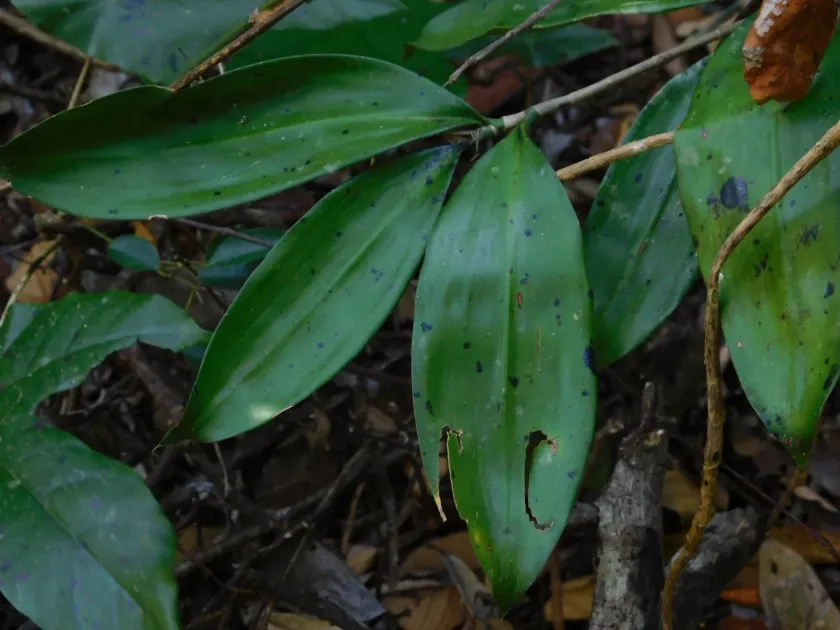
Description
Growing requirements
Dracaena elliptica is a member of the Asparagaceae family. This evergreen perennial is native to the tropical rainforests of Southeast Asia, thriving in regions like Indonesia and the Philippines where the climate is consistently warm and humid.
The plant requires an ambient temperature range of +20 to +28 degrees Celsius to maintain healthy growth. It is highly sensitive to cold drafts and sudden thermal fluctuations, which can cause severe physiological stress and foliage loss.
Cultivation requires a well-draining, nutrient-rich potting mix with a slightly acidic to neutral pH. A mixture consisting of peat moss, perlite, and organic compost provides the ideal structure for root aeration and moisture retention.
Regarding light, this species prefers bright, indirect sunlight. Direct exposure to intense sun can scorch the elliptical leaves, while extreme shade can inhibit the plant's ability to produce variegated patterns and slow down the growth rate.
Consistent moisture is key; the soil should be kept lightly moist, but never waterlogged. During the active growing season, applying a balanced, diluted liquid fertilizer every few weeks promotes lush foliage and overall plant vigor.
Main diseases and pests
Common pests associated with this species include scale insects, spider mites, and mealybugs. These organisms primarily target the undersides of leaves and leaf axils, sucking sap and weakening the host plant over time.
Root rot is the most prevalent disease, typically caused by overwatering or poor container drainage. When roots remain in waterlogged soil, they become susceptible to anaerobic bacteria and fungi that destroy the root system.
Leaf spot diseases, often triggered by high humidity combined with stagnant air, manifest as dark patches on the foliage. Ensuring proper air circulation around the plant is essential to prevent the spread of fungal spores.
Nutrient toxicity, often resulting from excessive synthetic fertilizer application, can cause brown, crisp leaf tips. Regular flushing of the soil with clean water can help manage salt buildup in the potting medium.
Effective management involves an integrated approach: regular monitoring, manual removal of pests, maintaining optimal hygiene, and applying targeted organic or chemical treatments only when infestation levels warrant intervention.