
Smilax zeylanica
Smilax zeylanica
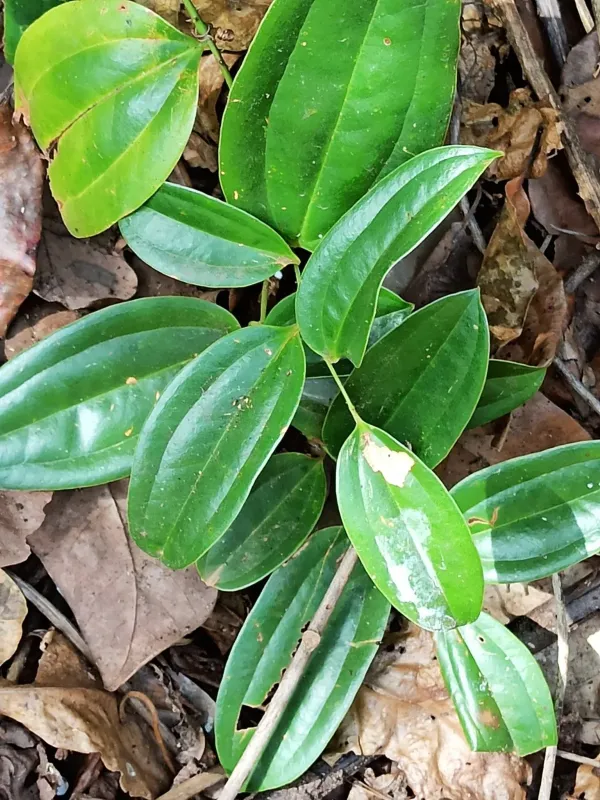
Description
Growing requirements
Smilax zeylanica is a perennial woody climber belonging to the family Smilacaceae. This plant is natively found in tropical and subtropical regions of Asia, including India, Sri Lanka, and various parts of Southeast Asia.
In its natural habitat, the plant prefers moist forest areas and locations protected from intense direct sunlight. It has specific soil requirements: it thrives best in light, well-drained soil rich in organic matter, maintaining a slightly acidic to neutral pH level.
Optimal growth requires consistently warm temperatures and high air humidity. Smilax is extremely frost-sensitive; therefore, it is typically cultivated in tropical climates or specialized greenhouse facilities where climate control is strictly managed.
Agronomic management involves installing vertical supports, as the plant utilizes tendrils to climb. Regular but careful irrigation is essential to support root health, as stagnant water can quickly lead to fungal decay of the root system.
The economic value of Smilax zeylanica is primarily driven by its concentration of saponins and secondary metabolites. It is widely employed in traditional herbal medicine, pharmaceutical research, and as a decorative climbing vine in tropical landscaping.
Main diseases and pests
The primary threats to this culture are fungal pathogens, which frequently develop under poor aeration or overwatering. Root rot is a significant risk factor for young plants grown in controlled or enclosed environments.
Common pests include spider mites and mealybugs. These insects thrive in conditions of low air humidity, making consistent monitoring of the plant's health essential for successful production and disease prevention.