
Smilax anceps
Smilax anceps
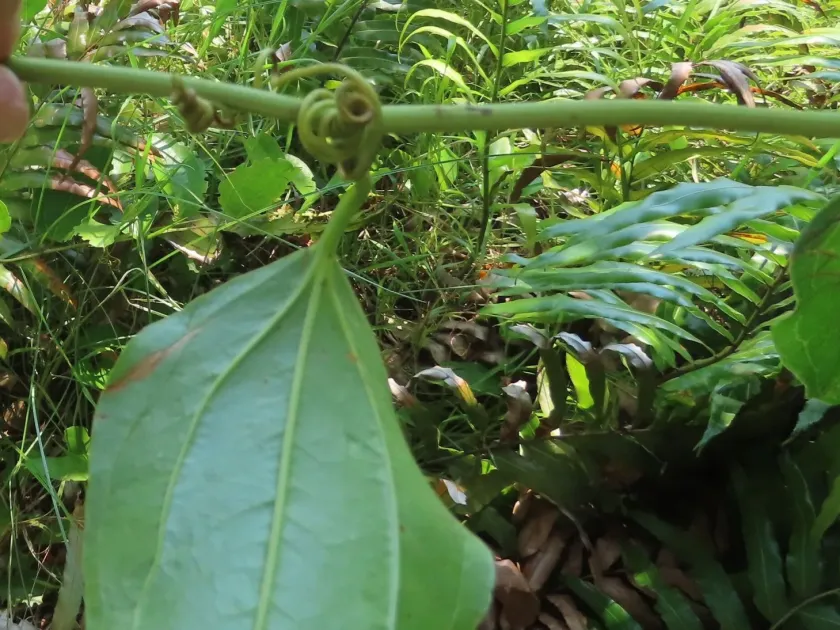
Description
Growing requirements
Smilax anceps is a representative of the Smilacaceae family. It is a perennial woody climber known for its robust growth and ability to thrive in tropical and subtropical environmental conditions.
The plant originates from Africa, where it adapts to diverse habitats including forests and scrublands. It requires warm temperatures and thrives in environments where it can climb using its specialized tendrils.
Agricultural success depends on providing fertile, well-draining soil. Smilax anceps prefers slightly acidic to neutral soil pH, which allows for optimal nutrient uptake and vigorous development of its extensive root system.
Proper irrigation management is essential; the plant requires consistent moisture during the growing season but is sensitive to waterlogged conditions, which can lead to significant physiological stress.
Providing structural support is crucial for commercial cultivation. Using trellis systems maximizes space efficiency and allows for better air circulation throughout the foliage, which is vital for plant health.
Yield
The economic yield of Smilax anceps is primarily focused on its rhizomes and leaves, which are used in various traditional industries. Harvesting intensity should be balanced to maintain long-term plantation productivity.
To achieve high yields, it is recommended to implement a fertilization program that emphasizes nitrogen during the initial growth stages, transitioning to potassium-rich inputs during the maturation phase.
Controlled cultivation allows for more uniform development of the plant biomass compared to wild harvesting. Strategic pruning can stimulate the growth of new, high-quality secondary shoots.
Yield estimation depends on the plant age and environmental stability. Generally, the root biomass reaches maturity for harvesting within 3 to 5 years after the initial establishment of the field.
Farmers should focus on selecting high-vigor clones to ensure consistency in product quality and to optimize the overall output per hectare of land utilized for this specific crop.
Main diseases and pests
Smilax anceps is prone to several pest pressures, with spider mites being the most common threat in controlled environments. These pests can rapidly decrease plant vitality if left unmanaged.
Fungal pathogens such as root rot represent a severe threat, especially in soils with poor drainage. Mitigation requires strict adherence to irrigation protocols and the use of preventative fungicides.
Leaf spot diseases are commonly observed in areas with high humidity and limited airflow. Maintaining proper plant spacing is a critical agronomic practice to reduce the incidence of these fungal infections.
Scale insects can infest the stems and leaves, extracting nutrients and weakening the overall structure of the climber. Systematic scouting and the application of horticultural oils can effectively reduce these populations.
Virus-like symptoms may occur under conditions of environmental stress. Maintaining the health and resilience of the crop through balanced nutrition is the best defense against various biotic and abiotic threats.