
Smilax
Smilax L.
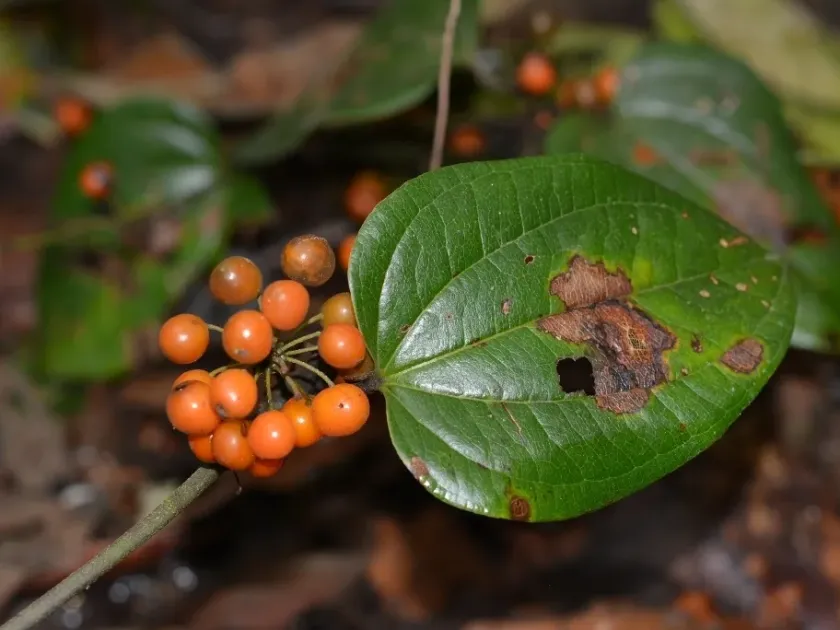
Description
Sowing dates
Smilax is primarily propagated vegetatively, utilizing the division of rhizomes or taking cuttings, which ensures the preservation of the plant's desirable characteristics. This method is preferred in commercial cultivation for faster establishment.
Seed propagation is also possible but requires a long period of cold stratification to break dormancy. Seeds are typically sown in autumn, allowing the natural temperature cycles during winter to trigger germination in the spring.
When using cuttings, semi-hardwood segments are selected during early summer. These cuttings are placed in a well-draining, moist substrate and kept under cover to maintain the humidity levels necessary for root development.
Proper spacing is crucial for healthy vine growth; planting should be done with at least 50–70 cm between individual plants. Providing support structures like trellises or wires is essential for the climbing nature of the species.
The planting site should be prepared by incorporating ample organic matter, such as compost or manure, to ensure the soil structure supports deep root growth and nutrient retention.
Growing requirements
Smilax is a member of the Smilacaceae family, consisting of various climbing shrubs and vines. Native to diverse climates from tropical to temperate zones, these plants thrive best in regions with consistent moisture and protection from harsh weather.
The ideal soil for Smilax is a deep, fertile, and well-draining loam. While the plant can tolerate various pH levels, it performs optimally in slightly acidic to neutral soil types, which facilitate efficient nutrient uptake.
Light requirements vary by species, but most prefer bright, filtered light. Exposure to intense, direct afternoon sun in warmer climates can scorch the leaves, so positioning the plants to receive partial shade is a recommended practice.
Regular irrigation is vital during the growing season to keep the soil consistently moist but never waterlogged. The species is sensitive to drought, which can lead to stunted growth and reduced vigor in the vine.
Annual maintenance involves mulching the root area to maintain soil moisture and suppress weed competition, which is particularly important for young plants that have not yet established a dense canopy.
Yield
The primary economic focus of Smilax cultivation is the harvesting of its rhizomes, widely known as sarsaparilla. These underground structures contain valuable phytochemicals, including saponins, which are utilized in the pharmaceutical and food industries.
Harvesting typically occurs after three to five years, when the root system has matured sufficiently to offer a high yield of active compounds. Harvesting is performed in late autumn after the foliage has died back.
In landscape architecture, yield is assessed by the plant’s ability to provide lush green coverage. These vines are excellent for creating privacy screens, vertical gardens, and natural fences in both residential and public areas.
Proper management of the vine's biomass through selective pruning can enhance overall yield by promoting vigorous lateral growth. Regular thinning of old or damaged stems helps the plant channel energy into new, productive growth.
Techniques to maximize output include targeted fertilization based on soil analysis and the prevention of stress, which can lead to chemical degradation of the useful compounds in the rhizomes.
Main diseases and pests
Smilax is susceptible to various fungal pathogens, such as leaf spot and root rot, which are often encouraged by poor air circulation and excessive soil moisture. Preventive fungicide applications are standard in intensive farming.
Pests such as spider mites and aphids are significant threats, especially in sheltered or greenhouse environments. These insects pierce the leaves to feed, causing visible damage and reducing the plant's photosynthetic capacity.
Scale insects can also infest the stems of the vines, requiring manual removal or the application of horticultural oils. Early detection through regular crop scouting is essential for effective management.
Powdery mildew is a common concern during humid, stagnant conditions. Ensuring good ventilation around the vines and applying appropriate sulfur-based treatments can effectively manage this disease.
Weed control remains a critical aspect of plant protection, as weeds act as hosts for viruses and compete for essential nutrients. Integrated weed management using mulches is the most sustainable approach for Smilax plantations.