
Smilax aristolochiifolia
Smilax aristolochiifolia
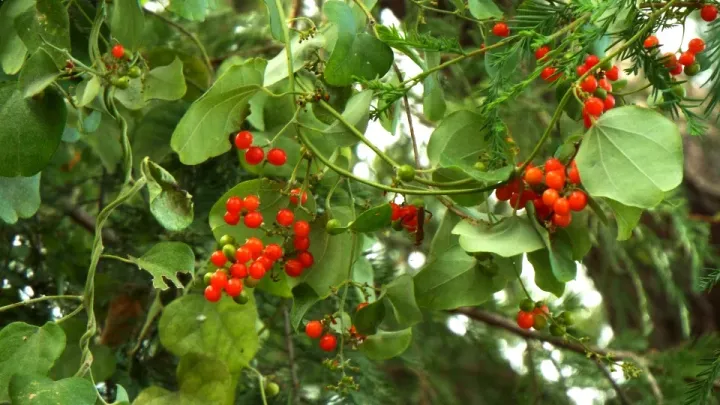
Description
Growing requirements
Smilax aristolochiifolia is a perennial evergreen vine belonging to the Smilacaceae family. Native to tropical regions of Central America, this plant is well-adapted to high humidity and warm climate conditions found in Mexican rainforests.
Successful cultivation requires temperatures that remain consistently above 15 degrees Celsius. The crop performs best in semi-shaded areas, as intense, direct sunlight can easily damage its foliage, especially in younger stages of development.
The soil should be nutrient-rich, loose, and possess excellent drainage capabilities to avoid root rot. A soil pH level ranging from slightly acidic to neutral is considered ideal for optimizing nutrient uptake and root health.
Agricultural practices involve the use of trellises or supports because the vine utilizes tendrils to grow vertically. Providing sufficient vertical space not only improves the overall biomass but also ensures easier management and harvesting of the plant.
The plant is primarily cultivated for its rhizomes, commonly referred to as sarsaparilla. These roots are widely used in the pharmaceutical industry due to the presence of steroidal saponins, which are utilized in various therapeutic and tonic formulations.
Main diseases and pests
Fungal infections and root rots are the most significant threats to the crop, often triggered by excessive soil moisture and poor ventilation. Proper spacing between plants is essential to maintain optimal airflow and minimize disease pressure.
Pests such as spider mites and scale insects frequently attack the leaves, extracting sap and weakening the plant. Integrated pest management strategies are recommended to keep these populations under control without contaminating the medicinal product.
Weed management in the early stages of plant growth is crucial to avoid competition for nutrients. Regular manual weeding or mulching is preferred to protect the delicate root zone from mechanical damage.
Phytosanitary measures include cleaning tools regularly and inspecting seedlings before transplantation. These simple steps significantly reduce the risk of spreading pathogens throughout the plantation area.
In cases of severe infestation, immediate removal of infected plant parts is necessary. This prevents the spread of diseases and ensures the remaining crop maintains the high-quality standards required for pharmaceutical processing.
Harvesting
Harvesting usually begins when the plants reach maturity, typically after three to four years of growth. This stage ensures that the rhizomes have developed sufficient concentration of bioactive compounds.
The harvesting process is typically conducted in the autumn season, during the plant's dormant phase. The roots are carefully unearthed, cleaned of excess soil, and prepared for processing to ensure maximum yield of the active ingredients.
After excavation, the rhizomes are washed thoroughly and sliced into sections. This manual preparation is vital for ensuring even drying and preventing the accumulation of moisture, which could lead to spoilage.
Drying is performed in controlled environments at temperatures below 45 degrees Celsius. Strict adherence to this temperature range is necessary to preserve the medicinal properties and prevent the degradation of essential chemical compounds.
Finally, the dried product is stored in cool, dark, and well-ventilated areas. Using breathable packaging materials helps maintain the quality and potency of the sarsaparilla roots until they are ready for commercial distribution.