
California smilax
Smilax californica
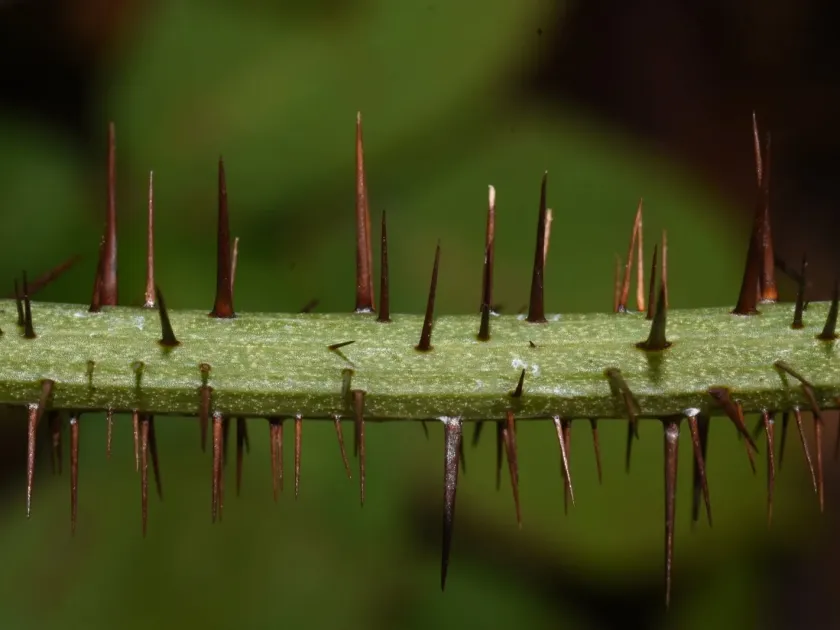
Description
Growing requirements
California smilax is a woody perennial vine that belongs to the Smilacaceae family. This species is recognized for its ability to climb using tendrils and serves as a significant component of woodland habitats in its native range.
The plant thrives in well-drained, nutrient-rich soils that retain moisture without becoming waterlogged. Incorporation of organic compost is recommended to enhance soil structure and provide essential nutrients for healthy vine development.
Regarding light requirements, this vine prefers partial shade or dappled sunlight. While it can withstand some sun exposure, excessive direct light in arid climates can stress the foliage and necessitate more frequent irrigation.
The species requires a reliable vertical support structure. Without a trellis, fence, or nearby trees, the plant will grow along the ground, which may reduce its overall vigor and decorative appeal in a managed landscape setting.
Temperature management is critical, especially in regions with freezing winters. Applying a layer of mulch around the base of the plant helps protect the root system and prevents soil temperature fluctuations during the dormant season.
Main diseases and pests
The most significant threats to California smilax include various fungal diseases that cause leaf spot and stem rot in conditions of poor air circulation.
Common pests that may affect the vines are spider mites and scale insects, which often thrive in dry, sheltered conditions near the base of the plant.
Integrated pest management strategies, including the use of horticultural oils and neem-based solutions, are effective in controlling common insect populations.
To prevent fungal outbreaks, gardeners should ensure proper spacing between plants and avoid overhead watering that keeps the foliage consistently wet.
Removing dead or diseased stems during late winter or early spring helps maintain the health of the entire plant and encourages new growth.