
Walter's greenbrier
Smilax walteri
Description
Growing requirements
Walter's greenbrier (Smilax walteri) is a deciduous woody vine that belongs to the Smilacaceae family. Native to the southeastern United States, it is typically found in wet, forested areas, floodplains, and near various water bodies.
The plant is characterized by a strong rhizomatous root system, which often develops tuberous swellings. These structures allow the plant to store energy effectively, ensuring survival in competitive forest floor environments.
Successful cultivation requires soil that is consistently moist yet well-draining, with a preference for acidic pH levels. It thrives best in partial shade, mimicking the dappled light found in its native woodland habitat.
Climatic requirements focus on mild winter conditions, as the plant is not frost-hardy in severe climates. High atmospheric humidity is beneficial for healthy leaf development and reducing water stress during peak summer months.
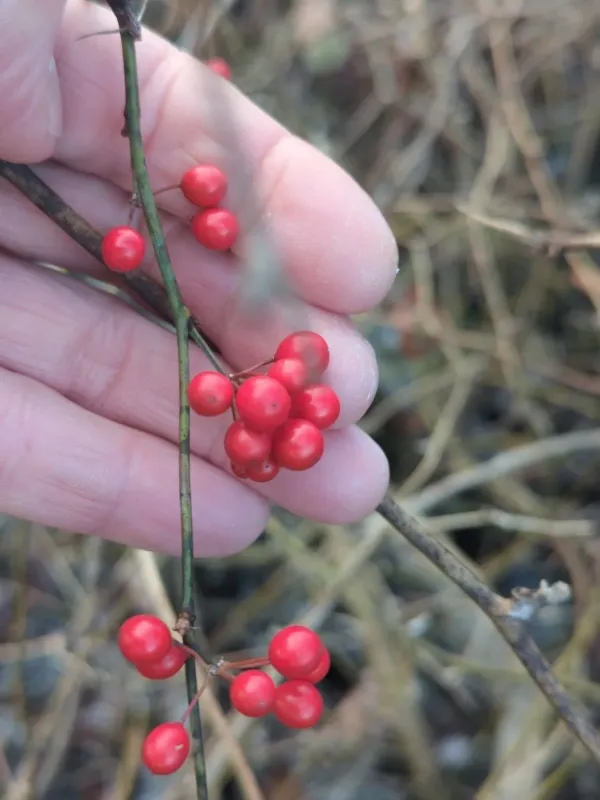
This species is primarily valued for ornamental purposes, especially for its showy, bright red berries that persist into the winter, providing excellent visual interest and supporting local wildlife populations.
Main diseases and pests
The most significant threats to Smilax walteri involve root rot pathogens, which are often exacerbated by poor drainage and waterlogged conditions that deprive the roots of necessary oxygen.
Insect pests, including various aphids and spider mites, can colonize the foliage. Regular monitoring is recommended to prevent heavy infestations that might weaken the vine or lead to premature leaf drop.