
Catbrier
Smilax rotundifolia
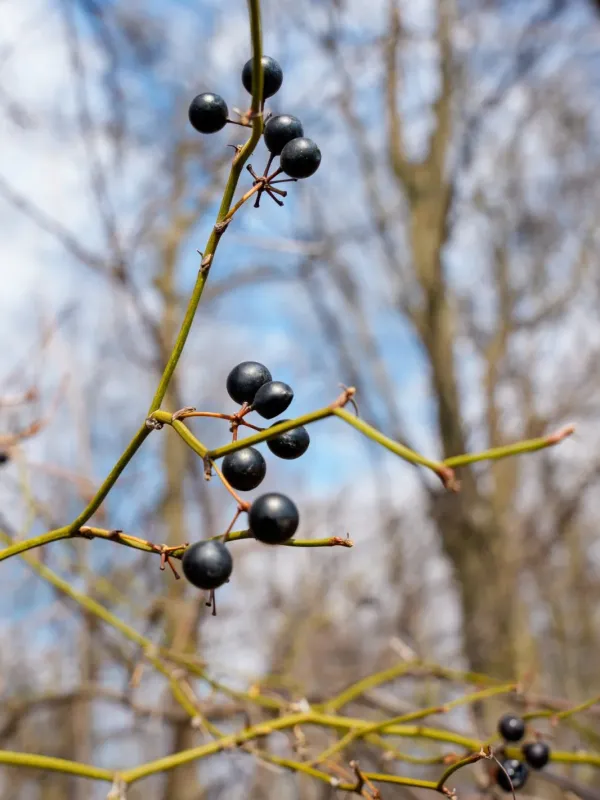
Description
Growing requirements
Catbrier, scientifically known as Smilax rotundifolia, is a robust member of the Smilacaceae family. This woody perennial vine is characterized by its prickly stems and tenacious tendrils that allow it to climb tall forest structures.
Native to North America, it thrives in a variety of habitats, ranging from damp thickets to well-drained woodland edges. It is remarkably resilient to diverse environmental conditions, making it a versatile plant to manage.
For agricultural purposes, providing artificial support such as trellises is essential. This infrastructure optimizes sunlight exposure and airflow, which is critical for the plant's long-term health and productivity.
The plant performs best in soils that are slightly acidic to neutral. Ensuring that the soil is enriched with organic matter helps support the rapid growth rates observed during the prime growing season.
Water management is crucial during the establishment phase. While mature vines are quite drought-tolerant, consistent moisture during the first year promotes stronger root development and healthier overall growth.
Main diseases and pests
Common health issues often stem from poor ventilation. Powdery mildew can affect the foliage in humid, stagnant conditions, making thinning of the canopy a necessary maintenance task.
Sucking insects, including aphids and spider mites, may target the tender new growth during periods of heat stress. Integrated pest management practices are recommended to protect the integrity of the crop.
Root system issues can occur if the site is prone to waterlogging. Installing proper drainage systems is the most effective way to prevent soil-borne pathogens from damaging the plant's health.
In winter, rodent damage to the stems can compromise the vine's structure. Protective wraps or localized fencing are practical solutions for young plantations in areas with high wildlife activity.
Persistent weeds can smother young vines, limiting their access to nutrients. Keeping the root zone clear through mulching or controlled cultivation is an essential practice for crop success.
Harvesting
Harvesting usually involves collecting the tender, succulent new tips of the vines in early spring. These shoots are valued for their texture and are often harvested by hand to ensure minimal damage to the plant.
The rhizomes are harvested later in the season when the plant has entered dormancy. This timing ensures the highest concentration of phytochemicals, which are essential for commercial pharmaceutical or herbal applications.
The mature, woody stems are often used in floral design and artisanal crafts. Harvesting these requires selective cutting to ensure that the main framework of the plant remains intact for subsequent years.
Post-harvest processing for culinary purposes requires immediate storage at cool temperatures. This slows respiration and maintains the crispness of the shoots, ensuring a high-quality product for the market.
For medicinal uses, the rhizomes must be cleaned thoroughly of soil and debris before drying. Once dried, they should be packaged in airtight containers to prevent degradation from moisture or environmental contaminants.