
Smilax riparia
Smilax riparia
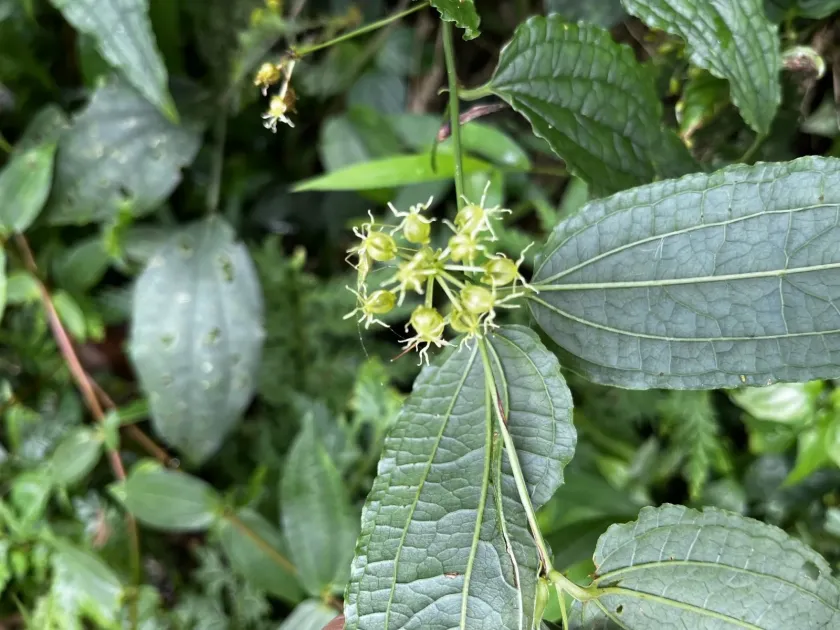
Description
Sowing dates
Propagation of Smilax riparia is most effectively achieved through rhizome division, which ensures faster plant establishment and higher genetic uniformity. Planting should be initiated in the spring once the soil temperature consistently reaches 10–12 degrees Celsius.
For seed-based propagation, seeds require a period of stratification to break dormancy before sowing. They should be planted at a depth of 1–2 centimeters in well-drained, fertile substrate, maintaining constant moisture levels until germination occurs.
When establishing a plantation, ensure proper spacing of at least 1.5 meters between rows to facilitate airflow and allow space for the climbing stems. Support structures, such as trellis systems, must be installed prior to planting to accommodate the vine's growth habit.
Soil preparation includes the incorporation of well-rotted organic matter to improve nutrient content and structure. Proper pit preparation helps minimize root stress and encourages rapid integration into the new environment.
Early management post-planting focuses on protecting young shoots from pests and ensuring adequate water availability. Consistent monitoring during the first growth season is critical for the overall success of the crop cycle.
Growing requirements
Smilax riparia, belonging to the Smilacaceae family, thrives in conditions that mimic its native forest understory environment. It requires fertile, well-draining soils with a neutral or slightly acidic pH profile for optimal growth.
The plant prefers partial shade, which protects the leaves from excessive transpiration. However, it can adapt to various light conditions if soil moisture remains consistent throughout the active growing season.
Temperature management is key, as the plant is sensitive to both extreme frost and intense heat. In regions with harsh winters, mulching the root zone is highly recommended to protect rhizomes from deep soil freezing.
Vertical support is an essential requirement of the plant's agronomy. Without adequate structural support, the vines will crawl on the ground, leading to reduced photosynthetic efficiency and increased risk of fungal infections.
Fertilization with organic or balanced NPK fertilizers during the spring growth flush supports the development of a robust root system. Regular irrigation ensures the plant maintains its turgor pressure and vitality during summer months.
Yield
The economic value of Smilax riparia is concentrated in its rhizomes, which are harvested for their pharmacological properties. Yield potential typically reaches its peak during the third or fourth year of cultivation.
Standardized harvesting protocols ensure that the concentration of bioactive compounds remains consistent. Productivity is directly linked to the density of planting and the intensity of care provided regarding nutrient management.
Total output per hectare is influenced by the soil moisture regime and the effectiveness of weed control measures. Intensive agronomic practices, such as fertigation, have shown potential in increasing dry matter yield in professional settings.
Post-harvest processing involves cleaning, sorting, and careful drying to preserve active ingredients. Quality control is maintained through rigorous testing of moisture levels and chemical composition post-processing.
The market value of the dried rhizomes depends on the purity and concentration of the beneficial compounds. Implementing best practices in harvesting and processing significantly improves the profitability of this specialized crop.
Main diseases and pests
Root rot caused by stagnant moisture is the primary concern for Smilax riparia. Effective drainage management and avoidance of overwatering are the most critical prophylactic measures against subterranean pathogens.
Foliar pests, particularly spider mites, can damage leaves during hot, dry spells. Integrated pest management, including the use of neem-based oils or beneficial insects, helps maintain plantation health without harming the environment.
Fungal leaf spot diseases may appear in high-density plantings where air circulation is restricted. Regular pruning of affected foliage and thinning of stems help mitigate the spread of these infectious diseases.
Competition from weeds for nutrients and water is particularly high during the establishment phase. Keeping the area surrounding the base of the plant free of weeds is essential for uninterrupted growth.
Early detection through regular field inspections allows for targeted intervention, reducing the need for broad-spectrum chemical applications. Maintaining overall plant vigor is the best defense against biotic stressors.
Harvesting
Harvesting usually takes place in late autumn, following the natural senescence of the above-ground vines. This timing ensures that the energy reserves are redirected towards the rhizome, optimizing its medicinal potency.
Mechanical or manual lifting of the rhizomes must be performed with precision to avoid unnecessary bruising or breakage. Damaged material is more susceptible to mold and decay during the storage phase.
The harvested rhizomes are immediately washed to remove soil particles and debris. Efficient primary processing within the first 24 hours after harvesting is vital to maintain the quality of the raw material.
Drying must occur in controlled conditions, typically at 40–50 degrees Celsius, to prevent the breakdown of thermolabile compounds. Proper ventilation is required to remove excess moisture and prevent mold development.
Long-term storage requires cool, dark, and dry conditions to ensure the stability of the active components. Periodic checks of the inventory help ensure that the final product remains within commercial quality standards.