
Smilax purhampuy
Smilax purhampuy
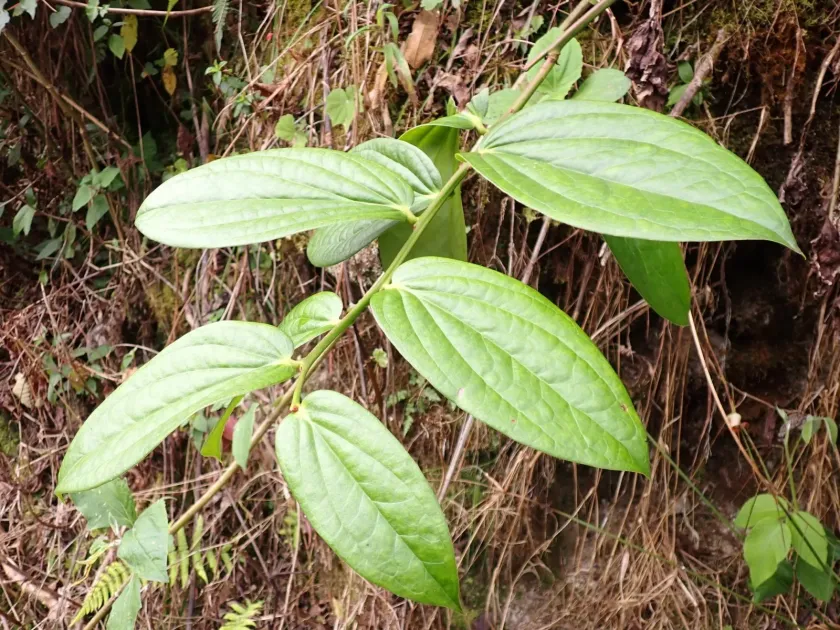
Description
Growing requirements
Smilax purhampuy is a perennial evergreen vine belonging to the Smilacaceae family. In its native habitat, it utilizes specialized tendrils to climb forest vegetation, which informs its structural development and space requirements.
The plant thrives in humid tropical or subtropical climates, requiring consistent warmth throughout the year. It is highly sensitive to frost, which makes greenhouse cultivation necessary in regions with temperate or cold seasonal cycles.
Optimal growth is achieved in nutrient-rich, well-draining loamy soils with a pH ranging from slightly acidic to neutral. Maintaining consistent soil moisture is crucial, as the plant does not tolerate drought or prolonged waterlogging.
In terms of light, the species prefers dappled sunlight or partial shade. Direct exposure to intense midday sun can cause leaf scorch and dehydration, so positioning the plant under canopy structures or using shade cloth is recommended.
Agronomic management includes the provision of robust vertical supports to allow the vine to climb, which promotes better air circulation around the foliage. Regular applications of organic compost help sustain the plant's nutrient needs during growth.
Main diseases and pests
Spider mites are the most frequent pests, especially in indoor environments where humidity levels fluctuate. Regular misting and maintaining optimal humidity levels act as effective deterrents against these pests.
Root rot is a critical threat typically caused by excessive irrigation and poor soil drainage. Ensuring adequate aeration of the root zone and preventing standing water are essential prophylactic measures for long-term plant health.
Aphids occasionally colonize the soft, succulent tips of new shoots, leading to stunted growth. Integrated pest management, focusing on biological controls, is preferred to maintain the quality of the harvested botanical material.
Powdery mildew can occur in environments with poor air circulation or rapid temperature swings. Proper spacing of plants and adequate ventilation are the primary methods to prevent the spread of fungal spores.
Nematode infestations can damage the root system, which is particularly detrimental for a crop harvested for its rhizomes. Utilizing sterilized soil mixes and clean starter stock significantly reduces the risk of these soil-borne pathogens.
Harvesting
The primary agricultural objective for Smilax purhampuy is the harvesting of its rhizomes, which are rich in biologically active compounds. This process typically occurs 3 to 4 years after initial planting to ensure maturity.
Harvesting involves carefully digging up the rhizomes, followed by a thorough cleaning process to remove soil debris. The raw material must then be dried under controlled temperatures to prevent degradation of the desired chemical constituents.
While foliage can be collected on a small scale, it should not be over-harvested to prevent weakening the plant's overall vitality. Sustainable harvest practices ensure that the plant remains productive for multiple cycles.
Post-harvest management requires soil replenishment and potentially the propagation of new vines from mature rhizome divisions. This ensures the continuous productivity and density of the plantation for future cycles.
Proper storage is essential; the dried rhizomes must be kept in cool, dark, and moisture-free containers to maintain their potency for pharmacological use and trade.