
Smilax pumila
Smilax pumila
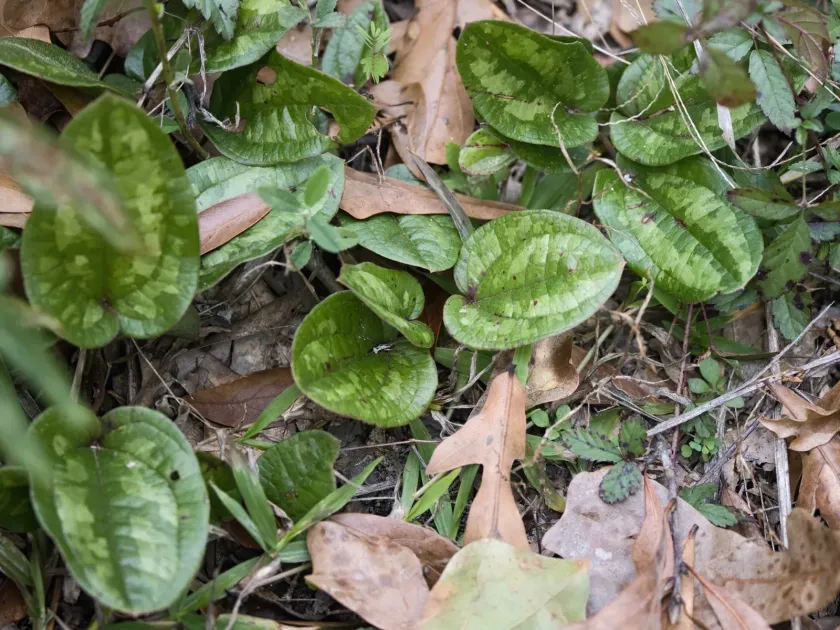
Description
Growing requirements
Smilax pumila, commonly known as low smilax, is a perennial herbaceous plant belonging to the Smilacaceae family. Unlike many robust climbing species within the genus, this plant maintains a prostrate or low-growing habit, making it a unique botanical specimen.
The native distribution of this species spans the humid subtropical forests of East Asia. It thrives in shaded understory environments where the soil remains consistently moist and is abundant in organic litter, providing the necessary nutrients for steady development.
To successfully cultivate Smilax pumila, one must ensure a site with filtered sunlight. Intense direct solar radiation can cause leaf scorch, while deep shade may lead to stunted growth. Maintaining a temperature range between 18°C and 25°C is ideal for metabolic activities.
Soil requirements involve a well-draining, slightly acidic medium with high levels of humus. Over-compaction of the soil should be avoided, as the rhizomes require adequate oxygen exchange to prevent rot during the dormant season.
The plant holds value in ethnobotanical contexts, where its roots have been utilized for traditional therapeutic purposes. Modern horticulture also explores its potential as a ground cover plant for shade-tolerant landscaping in subtropical climates.
Main diseases and pests
Powdery mildew represents a significant threat during periods of high humidity and poor air circulation. It manifests as a white, dusty layer on the foliage, which can be mitigated through strategic thinning of the plantings.
Spider mites are common arthropod pests that affect Smilax pumila, particularly in greenhouse settings. These pests thrive in dry environments and can cause severe chlorosis of the leaves if left untreated.
Root rot, driven by Pythium or Phytophthora species, remains the primary concern in poorly drained substrates. Implementing a strict irrigation schedule is essential to keep the soil moist but not waterlogged.
Aphids often colonize the tender new shoots during the spring flush. While usually not fatal, heavy infestations can reduce the overall vigor and yield of the plant, necessitating chemical or biological intervention.
Maintaining high hygiene standards by removing dead leaf litter and infected plant material is crucial for long-term health. Regular monitoring for signs of stress or pest colonization ensures early detection and efficient management.