
Smilax perfoliata
Smilax perfoliata
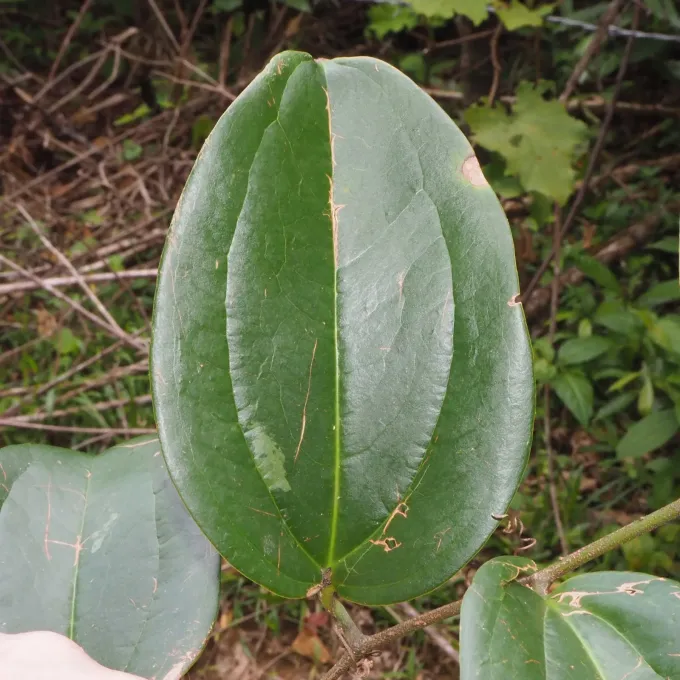
Description
Sowing dates
Smilax perfoliata is typically propagated through seed sowing or the division of rhizomes. Seeds require a period of stratification to break dormancy and ensure uniform germination, making autumn sowing in prepared beds a highly effective strategy for nursery production.
When sowing in spring, ensure the soil temperature is consistently above 12-15 degrees Celsius. Pre-treated seeds should be planted at a shallow depth to ensure they have enough energy to emerge through the soil surface while maintaining moisture levels consistently.
Vegetative propagation via rhizome segments is preferred for faster establishment. Pieces of healthy, mature rhizomes should be planted in trenches about 10-15 centimeters deep, ensuring that each segment has viable nodes to promote shoot development.
Spacing is essential for the long-term health of the crop. Planting at intervals of at least 50-60 centimeters between individuals allows for sufficient airflow and space for the climbing stems to develop without overcrowding and competing for nutrients.
Seedlings started in a controlled environment should be hardened off before transplanting. Ensuring the young plants are protected from intense sunlight during the first few weeks helps them acclimate to the field conditions successfully.
Growing requirements
Smilax perfoliata originates from tropical and subtropical forests, which dictates its preference for high humidity and mild climate conditions. It thrives in environments where frost is absent or very infrequent, as extreme cold can damage the sensitive foliage.
The ideal soil for this crop is a nutrient-rich, well-draining loam. While the plant can tolerate a variety of soil types, it is highly sensitive to waterlogging, which necessitates careful site selection and the potential implementation of raised beds for better drainage.
Sunlight requirements vary with the stage of growth. While young plants benefit from dappled shade, mature specimens require significant direct sunlight to optimize photosynthetic capacity and promote the accumulation of secondary metabolites in the rhizomes.
Regular irrigation is vital, particularly during the growing season. Dry spells can cause the plant to stunt and the stems to become overly lignified, which reduces the overall quality of the harvest and affects the yield of medicinal components.
As a climbing vine, Smilax perfoliata requires structural support to thrive. Providing trellises, netting, or other vertical supports is standard agronomic practice, as it keeps the foliage off the ground and facilitates easier maintenance and harvesting.
Yield
The economic value of Smilax perfoliata is primarily concentrated in its rhizomes, which are harvested for their bioactive properties. Yield is a cumulative result of age, soil fertility, and the overall management intensity of the plantation over several years.
Rhizomes usually reach commercial maturity in the third or fourth year after planting. Harvesting earlier than this period often results in lower concentrations of active compounds, failing to meet the quality standards required for pharmaceutical use.
With optimized agronomic practices, including organic fertilization and weed control, a well-managed plantation can produce several tons of dry rhizome mass per hectare. Consistent yield depends on maintaining a healthy, vigorous root system throughout the crop life.
The quality of the yield is highly dependent on the harvesting and post-harvest cleaning process. Removing soil particles and ensuring the product is free of debris are crucial steps that increase the market value and facilitate immediate processing.
Industrial use of a plantation is typically viable for 6 to 8 years. Beyond this period, yield generally declines, necessitating a crop rotation strategy where the land is rejuvenated or replanted with fresh, healthy stock to maintain high production levels.
Main diseases and pests
Smilax perfoliata is generally robust, but it can be susceptible to fungal pathogens if drainage is inadequate. Root rot is the most serious threat, often occurring in heavy, waterlogged soils where the root system remains constantly damp.
Poor airflow within dense plantings can encourage the development of powdery mildew. This disease manifests as a white, powdery fungal growth on the leaves, which can inhibit growth and eventually lead to premature leaf drop if not addressed promptly.
Pests such as spider mites and aphids are common concerns, particularly in warm, sheltered environments. These insects target the tender foliage, sucking sap and causing damage that can open the plant to secondary infections or viral agents.
Integrated pest management, favoring biological controls over chemical pesticides, is recommended to preserve the medicinal purity of the rhizomes. Preventive measures, such as proper spacing and removal of crop debris, are the most effective ways to manage risks.
Healthy plants with strong immune systems are much more resistant to pest infestations. Providing balanced nutrients and ensuring the crop is not stressed by drought or waterlogging goes a long way in keeping the plants resilient and productive.
Harvesting
Harvesting should be timed for the autumn months after the active growing season has concluded. At this stage, the plant has redistributed its energy reserves into the rhizomes, ensuring the highest concentration of medicinal compounds.
Rhizomes are carefully excavated to ensure minimal physical damage. Mechanical harvesters should be calibrated to avoid slicing or bruising the roots, as damaged tissue is significantly more prone to fungal decay during the subsequent drying and storage phase.
Immediately after lifting, the roots are cleaned of soil and debris, often washed in running water. This initial processing is vital to ensure that the material is clean enough for the specialized drying facilities where it will be further processed.
Controlled drying is essential to preserve the chemical integrity of the rhizomes. Drying should occur in well-ventilated units at temperatures not exceeding 45 degrees Celsius, as excessive heat can degrade the heat-sensitive bioactive compounds.
Once dried to the correct moisture content, the rhizomes should be stored in dark, cool, and dry conditions. Proper storage prevents degradation and allows the material to retain its therapeutic potency for an extended period, ensuring market longevity.