
Smilax ornata
Smilax ornata
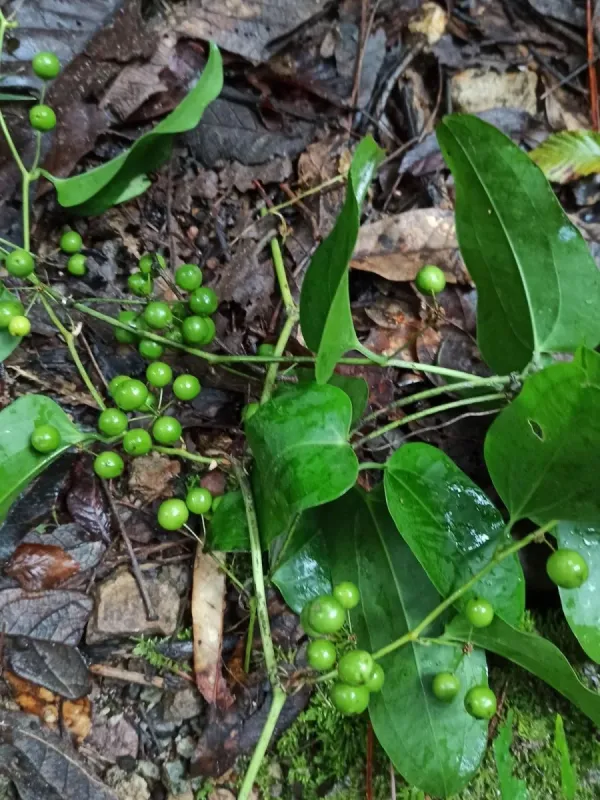
Description
Sowing dates
Smilax ornata, widely recognized as sarsaparilla, is a perennial evergreen vine belonging to the Smilacaceae family. In agricultural practice, it is primarily propagated through seeds or vegetatively by dividing rhizomes in the spring.
Seed propagation requires a period of cold stratification to overcome dormancy. The optimal time for starting seedlings in a controlled environment is late winter to early spring.
Vegetative propagation involves sectioning healthy rhizomes and planting them into nutrient-rich soil. This method is preferred for commercial production as it yields more uniform plants and accelerates the maturity process.
When establishing a plantation, providing suitable support structures is essential for this climbing species. Proper spacing, ideally 1.5 to 2 meters apart, ensures adequate airflow and easier access during maintenance.
Young plants require partial shade and consistent humidity during their first year. Once the root system is established, the plants become more resilient to varying environmental conditions.
Growing requirements
As a heat-loving plant, Smilax ornata thrives in temperatures ranging from 20 to 28 degrees Celsius. It is highly sensitive to frost, which makes it unsuitable for outdoor cultivation in colder climates.
The soil should be light, well-draining, and rich in organic matter. A sandy loam composition with a neutral or slightly acidic pH is ideal for promoting vigorous root development.
Excessive soil moisture is a significant risk, as it often leads to rhizome rot. Therefore, raised beds or sloped planting sites are recommended to improve water drainage in heavier soils.
Light management is crucial, as the plant prefers filtered sunlight. Direct, intense sunlight can scorch the leaves and stunt the overall vine development, reducing the quality of the harvest.
Irrigation must be managed carefully, especially during dry spells. Providing steady moisture without creating waterlogged conditions is the key to successfully cultivating healthy sarsaparilla.
Yield
The primary economic focus of Smilax ornata is the harvest of its rhizomes, which are valued for their bioactive compounds, including saponins. The crop is typically ready for harvest three to four years after planting.
The yield of dried roots depends heavily on soil fertility and the care provided during the growing season. With optimized agronomic practices, high volumes of medicinal-grade raw material can be obtained.
Harvesting timing is vital; roots reach their peak concentration of active ingredients when the plant enters dormancy. Therefore, late autumn is the most recommended period for extraction.
Post-harvest processing involves thorough cleaning, rinsing, and drying of the roots. Maintaining the right temperature during drying is essential to preserve the therapeutic integrity of the product.
Properly dried and packaged sarsaparilla roots have a good shelf life, allowing for storage and distribution to pharmaceutical and herbal industries that rely on this raw material.
Main diseases and pests
Root rot is the most common threat to Smilax ornata, especially in poorly drained soils. Maintaining proper irrigation protocols and soil aeration is the most effective preventative measure.
Spider mites may infest the foliage during hot, dry periods. Regular monitoring and occasional misting can help prevent these pests from reaching populations that cause significant damage.
Powdery mildew can affect the plants in environments with high humidity and poor air circulation. Utilizing fungicides based on copper or biological alternatives helps manage this fungal issue.
Aphids can target tender new shoots, causing stunted growth. Integrated pest management, including natural predators, is recommended to keep aphid populations below damaging thresholds.
Maintaining high phytosanitary standards, such as crop rotation and immediate removal of any infected plant material, is essential for a productive and healthy Smilax plantation.
Harvesting
The harvest process involves careful excavation of the rhizomes. Digging tools must be used with precision to avoid unnecessary damage to the root system, which can weaken the plant.
Once extracted, the roots are separated from the stems and cleared of soil. The stems can be chopped and returned to the field as compost to improve soil organic content.
The raw rhizomes are graded by size and health status to meet industry standards. Clean, uniform roots are significantly more valuable for medicinal processing facilities.
Washing the harvested roots requires abundant, clean water to remove all soil particles. This step is critical for ensuring the purity of the final herbal medicine product.
Finally, the roots are sectioned into manageable lengths for drying. Controlled drying at moderate temperatures prevents degradation and ensures a high-quality finished product for the market.