
Nippon greenbrier
Smilax nipponica
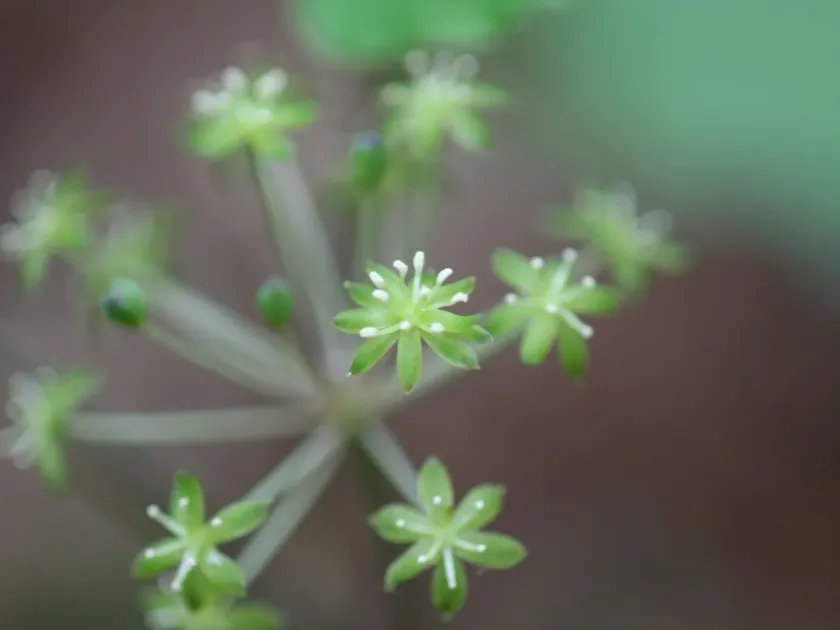
Description
Sowing dates
Propagation of Smilax nipponica is primarily carried out through seeds or rhizome division. The seeds require a pre-sowing cold stratification period of 2–3 months at low positive temperatures to overcome deep dormancy.
Seeds should be sown into soil or seed trays during the autumn to ensure they undergo the natural cooling cycle. Spring sowing often results in significantly reduced germination rates without prior artificial treatment.
The optimal time for dividing mature plants is early spring, just before the start of active sap flow. The plant possesses a robust root system, so it is crucial to maintain the integrity of the root ball during transplantation.
Plant spacing should be at least 60–80 centimeters apart to accommodate the plant's rapid spreading habit. As the species is sensitive to root disturbance, careful handling during planting is essential for successful establishment.
Initial rooting of young plants requires consistent watering and protection from direct sunlight, especially during the first season. Full adaptation of the root system to a new location usually takes up to two years.
Growing requirements
Smilax nipponica is a perennial herbaceous vine belonging to the Smilacaceae family, native to East Asian regions, including Japan and the Korean Peninsula. In its natural habitat, it thrives in the understory of mixed forests.
The crop prefers partial shade, as direct midday sun can cause severe scorching of the leaf blades. In temperate climates, it is vital to provide protection from drying cold winds to prevent winter damage.
Soil requirements include a rich, organic, and well-drained substrate with a neutral to slightly acidic pH. Waterlogging at the root zone is strictly prohibited and leads to the development of root rots.
The plant requires trellises or supports because it is a vine that climbs using specialized tendrils. Using garden grids or natural support from shrubs allows the plant to reach its full ornamental potential.
The winter hardiness of the species is moderate. In northern regions, it is recommended to mulch the base with peat or leaf litter to protect the rhizome from soil freezing during severe winter months.
Main diseases and pests
The main threats to Smilax nipponica are fungal diseases that arise from poor cultivation practices. Excessive soil or atmospheric humidity often triggers leaf spotting and powdery mildew.
Common pests affecting the crop include spider mites and aphids, which colonize the underside of leaves during hot, dry periods. Regular monitoring is necessary to detect outbreaks at an early stage.
Damage to the root system by wireworms can lead to stunted growth and overall plant decline. Proper weed management is recommended to prevent the spread of diseases and pests.
If signs of rot appear, it is necessary to reduce irrigation frequency and apply systemic fungicides. Avoiding overwatering during prolonged rainy periods is essential to maintain plant health.
Agronomic control implies following crop rotation practices and avoiding planting in areas where previous soil-borne pathogens have been detected. Vigilant observation helps ensure the longevity of the vine.