
Sarsaparilla
Smilax medica
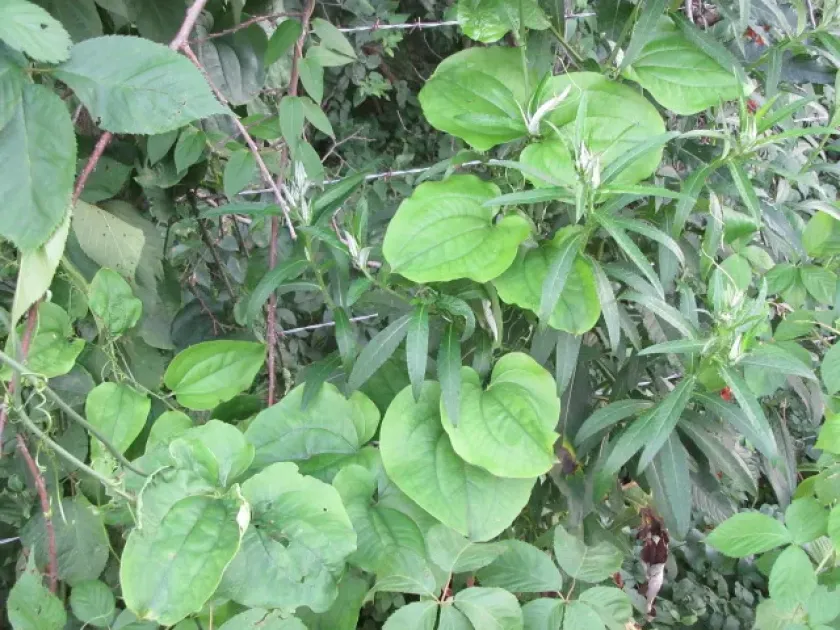
Description
Growing requirements
Sarsaparilla (Smilax medica) is a perennial woody vine belonging to the Smilacaceae family. Native to the tropical forests of Mexico and Central America, it is highly valued for its medicinal properties.
The plant requires a tropical or subtropical climate to thrive, demanding consistent warmth throughout the year. Temperatures must remain above 18°C, as the plant is extremely frost-sensitive and cannot tolerate freezing conditions.
The soil should be deep, well-draining, and rich in organic matter. Sandy loam soils with a slightly acidic to neutral pH are ideal. Adequate soil aeration is crucial to prevent the rot of the thick, tuberous roots.
As a climbing plant, Smilax medica requires sturdy trellises or supports to allow for proper air circulation and leaf development. Planting in rows with sufficient spacing is necessary to prevent competition for light.
Regular irrigation is essential, especially during the dry season, but waterlogging must be avoided at all costs. The use of mulch can help maintain soil moisture while suppressing weed growth around the root base.
Main diseases and pests
The most significant threats to sarsaparilla are root rot and fungal infections caused by excessive moisture. Proper drainage and site selection are the primary defense strategies for growers.
Pests such as mites, scale insects, and aphids can infest the vines in greenhouses. Monitoring for early signs of infestation and using biological control agents is recommended to preserve the quality of the raw material.
Harvesting
The harvest cycle typically spans 3 to 5 years, during which time the rhizomes mature and develop their medicinal potential. Harvesting is usually performed by digging up the roots after the growing season.
Post-harvest processing involves washing the roots, trimming secondary rootlets, and drying the material. Controlled drying temperatures are critical to preserve the integrity of the bioactive saponins found within the root bark.
Sarsaparilla roots are globally recognized for their use in traditional medicine and flavoring beverages. The cultivation of Smilax medica remains a specialized segment of the botanical agricultural sector.