
Smilax lanceolata
Smilax lanceolata
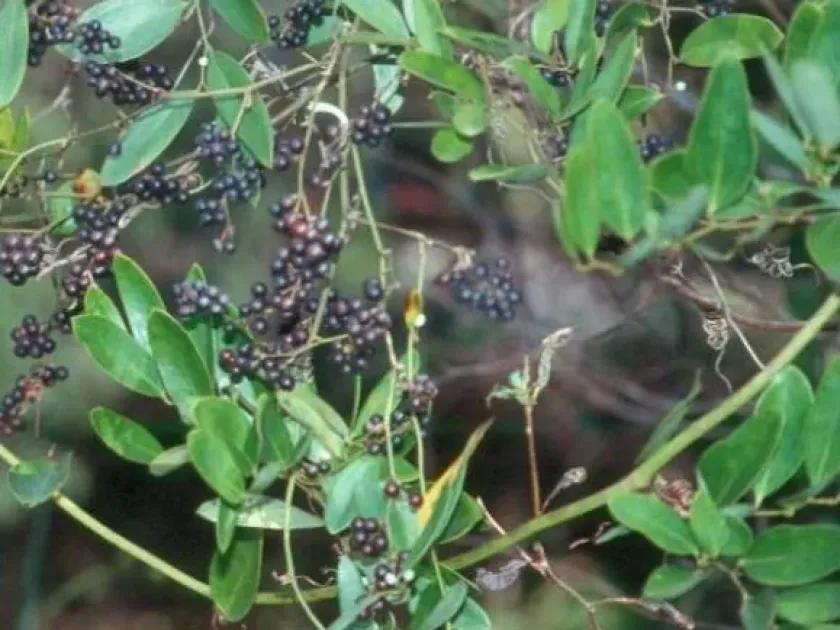
Description
Growing requirements
Smilax lanceolata, commonly known as lanceleaf greenbrier, is a hardy perennial vine belonging to the Smilacaceae family. The plant is well-known for its woody, spiny stems and leathery, lance-shaped leaves that contribute to its distinctive visual appeal and structural resilience.
Native to the southeastern United States, this species thrives in forest edges and thickets. It exhibits a high degree of adaptability to different soil textures, provided that the drainage is efficient, as the root system is sensitive to waterlogging during dormant periods.
Climatic requirements involve a preference for temperate conditions with adequate rainfall. While it shows some shade tolerance, consistent light exposure encourages denser foliage development and better overall plant vigor throughout the growing season.
Agronomic practices include installing sturdy trellis systems to accommodate its climbing habit. Mulching is recommended to maintain soil moisture consistency and to suppress the growth of competing weeds that can hinder the development of young vines.
In terms of economic use, the plant is valued primarily in the landscape architecture sector for screening and vertical gardening. Furthermore, the species has a long history of traditional utilization in ethnobotanical contexts, specifically regarding the medicinal properties of its roots.
Main diseases and pests
Pathogens affecting Smilax lanceolata are often associated with environmental stressors. Powdery mildew can occur in stagnant, humid environments where air circulation is restricted, leading to significant foliage disfigurement.
Pests such as scale insects and spider mites are known to infest the plant, causing chlorosis and weakening the stems. Regular scouting for early signs of infestation is essential to maintain plant health and prevent the spread of pests.
Integrated pest management strategies involve the use of targeted biological controls and, when necessary, systemic horticultural oils to manage populations without harming beneficial local fauna.
Proper pruning is a vital agronomic tool for disease management, as it facilitates airflow within the dense vines and allows for the removal of overwintering sites for various fungal spores.
Maintaining soil pH levels within the optimal range and ensuring appropriate nutrition help the plant maintain its natural resistance to environmental pathogens and parasitic infestations.