
Smilax japicanga
Smilax japicanga
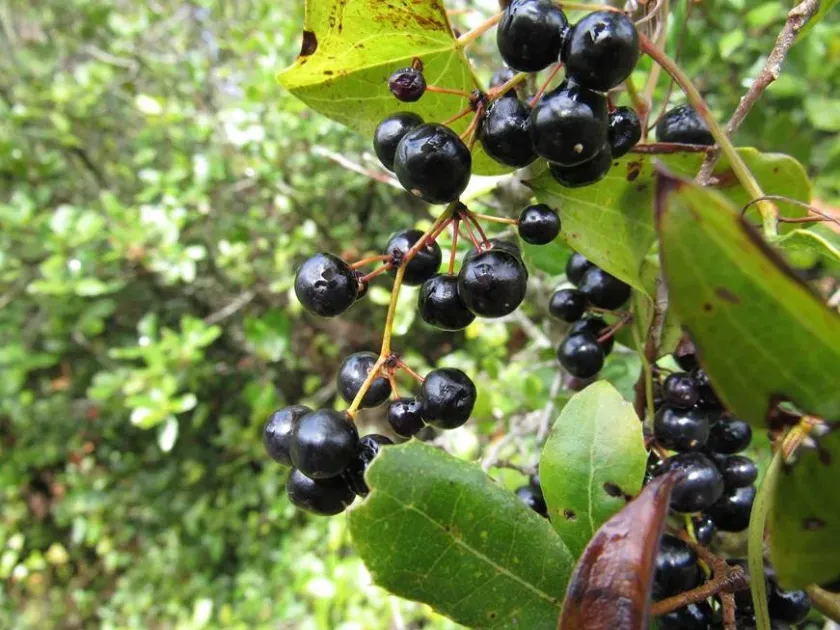
Description
Sowing dates
Propagation of Smilax japicanga is primarily achieved through vegetative methods such as rhizome division or stem cuttings, which ensure the plant retains its specific characteristics.
Seed propagation is also possible but requires a long period of cold stratification; therefore, seeds are often sown outdoors in late autumn to benefit from natural winter dormancy.
Transplanting seedlings to their final location is recommended once the soil has warmed up and all risk of frost has passed to encourage rapid rooting and establishment.
Adequate space is critical, with rows spaced at least 1.5 to 2 meters apart to allow for the rapid development of climbing vines that require sturdy trellises or support structures.
Proper soil preparation, including deep tilling and the incorporation of organic compost, is necessary to provide the nutrient-rich environment required for the plant's vigorous growth.
Growing requirements
Smilax japicanga belongs to the Smilacaceae family and thrives in subtropical climates that offer consistent moisture levels and protection from extreme temperature fluctuations.
The plant prefers loose, well-draining soils rich in organic matter, as it is highly susceptible to root rot in compacted or waterlogged ground conditions.
Light levels should be carefully managed; while it requires warmth, the foliage is sensitive to harsh, direct sunlight and performs best in partial shade or dappled light.
Consistent moisture is essential during the growing season, requiring supplemental irrigation during dry spells to ensure the development of robust, healthy rhizomes.
Maintaining air circulation is a key requirement for the health of the plant, as stagnant air can lead to the rapid development of fungal pathogens on the dense foliage.
Yield
The commercial value of Smilax japicanga lies in its rhizomes, which are harvested for their therapeutic compounds, including various saponins and essential plant nutrients.
Yield is optimized by allowing the plant to mature for several seasons, typically waiting 3 to 5 years before conducting the first major harvest of the root system.
Productivity is highly dependent on environmental stability and cultural practices, such as providing consistent fertilization and maintaining the structural integrity of support trellises.
Farmers can maximize the concentration of active ingredients by timing the harvest correctly, focusing on periods when the plant is in its dormant phase.
Efficient post-harvest processing, including thorough cleaning and controlled drying, is necessary to transform the raw rhizomes into high-quality commercial extractable material.
Main diseases and pests
Fungal diseases, particularly root rots and leaf spots, represent the most significant threat to the crop, especially in regions with high humidity and poor ventilation.
Pests like aphids and spider mites can attack the growing vine tips, which may slow down the plant's growth and potentially impact the energy stored in the rhizomes.
To prevent disease spread, it is crucial to avoid overcrowding and ensure that the plants are not subjected to prolonged periods of standing water in the root zone.
Integrated pest management strategies, such as using natural predators and regular monitoring, are preferred over chemical pesticides to maintain the quality of the medicinal product.
Sanitation practices, including the removal of dead leaves and pruning of diseased vines, significantly reduce the pathogen load in the planting area.
Harvesting
Harvesting of the rhizomes is a labor-intensive process performed by digging up the plant after the aerial parts have begun to senesce or are in deep dormancy.
Care must be taken to remove the rhizomes carefully to avoid damage, ensuring that smaller roots are left behind if a perennial harvest cycle is intended.
Once harvested, the roots must be promptly washed and scrubbed to remove all soil particles, which helps in preventing post-harvest contamination and degradation.
Drying is performed in climate-controlled environments to remove moisture gradually, ensuring that the chemical composition remains stable and intact for future use.
Proper storage in dry, cool, and ventilated containers ensures that the dried rhizomes maintain their potency and prevent any moisture re-absorption during the storage period.