
Smilax havanensis
Smilax havanensis
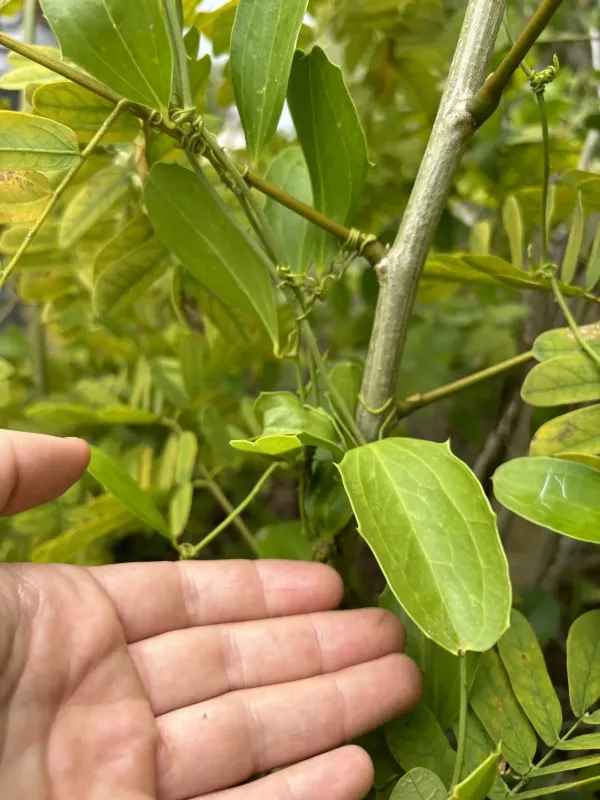
Description
Growing requirements
Smilax havanensis is a perennial woody vine belonging to the Smilacaceae family. Native to the Caribbean basin, particularly common in Cuba and the Bahamas, this plant acts as a robust member of the understory vegetation, adapting well to diverse tropical forest environments.
The plant thrives in calcareous soils that offer excellent drainage, which is a critical requirement for maintaining its root health. It exhibits high tolerance to varying levels of sunlight, although it prefers dappled light conditions to reach its maximum vegetative potential in a managed environment.
Climate requirements for Smilax havanensis are strictly subtropical, demanding stable temperatures and high humidity levels. Growers must ensure that the cultivation area is protected from freezing, as even minor frost events can severely damage the tender climbing stems and apical meristems of the plant.
A successful agricultural strategy for this species includes the installation of vertical trellises. Since the plant utilizes specialized tendrils to climb, providing an artificial structure allows for better air circulation throughout the vine, significantly reducing the risk of fungal infections within the foliage canopy.
Economically, Smilax havanensis is recognized for its medicinal potential, as its rhizomes are rich in bioactive compounds including saponins and various phenolics. Cultivation efforts are primarily focused on sustainable harvesting of the underground biomass for use in herbal supplements and pharmaceutical manufacturing.
Main diseases and pests
The primary threats to Smilax havanensis include root rot and leaf spot diseases caused by excessive moisture and poor soil aeration. Maintaining a strict irrigation schedule is essential to prevent the proliferation of moisture-loving pathogens that can compromise the structural integrity of the plant.
Pest management is focused on controlling infestations of spider mites and scale insects, which are common in subtropical climates. Integrated pest management (IPM) techniques, including the use of neem oil or biological predators, are recommended to preserve the quality of the harvested botanical material.