
Sawbrier
Smilax glauca
Description
Growing requirements
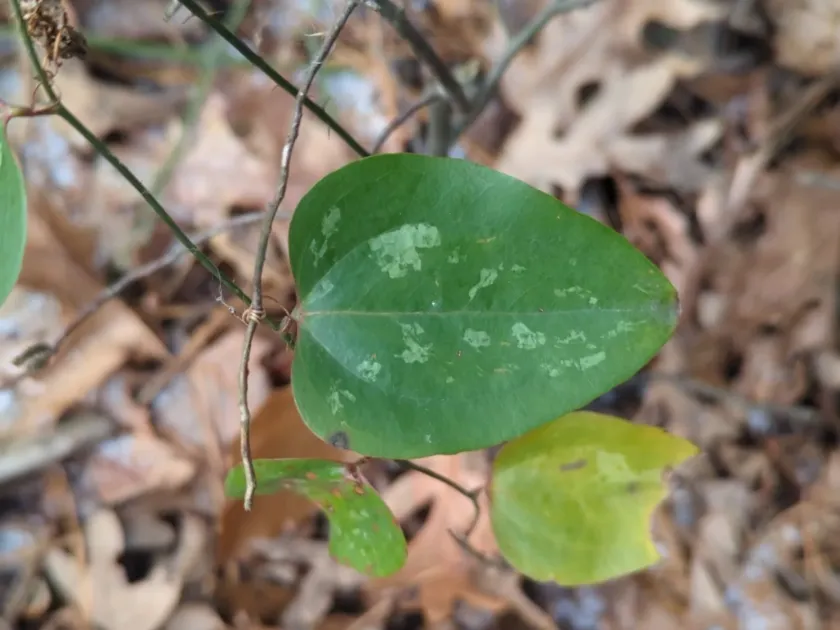
Smilax glauca, commonly known as Sawbrier, is a hardy, woody vine belonging to the Smilacaceae family. Native to North America, it is distinguished by its bluish-green leaves and zigzagging, often prickly stems that climb using specialized tendrils.
This species thrives in well-drained, slightly acidic soils ranging from sandy loams to clay-heavy mixtures. It exhibits significant plasticity in its light requirements, performing well in locations ranging from full sun to partial shade, making it a versatile choice for gardeners.
For optimal growth, Sawbrier requires sturdy vertical supports such as fences, trellises, or adjacent shrubs. Once established, the root system is robust, allowing the plant to tolerate temporary dry spells, although consistent moisture promotes faster vegetative development.
Climatic adaptability is one of the plant's main strengths, as it is cold-hardy and capable of enduring diverse seasonal shifts. It is an excellent candidate for stabilizing soil on embankments or creating naturalistic barriers in wild-simulating garden areas.
Economically and aesthetically, Smilax glauca is valued for its unique foliage and its role in supporting local biodiversity by providing cover for wildlife. It requires minimal intervention, provided that the initial site selection offers adequate drainage and structural support.
Main diseases and pests
Sawbrier is generally resistant to most pests and diseases. However, in environments with poor air circulation and high humidity, plants may occasionally suffer from powdery mildew, which manifests as a superficial fungal layer on the leaves.
Insects like aphids or mites may occasionally colonize tender new shoots, particularly during prolonged heatwaves. Regular monitoring during the active growing season is sufficient to identify and manage these minor infestations before they affect plant health.
Root rot remains the most serious potential threat, typically resulting from waterlogged soil conditions. Ensuring that the planting site is properly graded and amended with organic matter to improve drainage is the primary defense against this condition.
While the plant's thorns provide natural protection against many herbivores, they can occasionally harbor debris that attracts moisture and promotes rot. Pruning out dead or crossing branches helps to keep the vine ventilated and reduces the risk of secondary infections.
Sanitation practices, such as removing fallen leaves from the base of the plant in late autumn, are recommended to reduce the overwintering potential of pathogens. Proper maintenance ensures the plant remains vigorous and aesthetically appealing throughout its life cycle.