
Smilax glabra
Smilax glabra
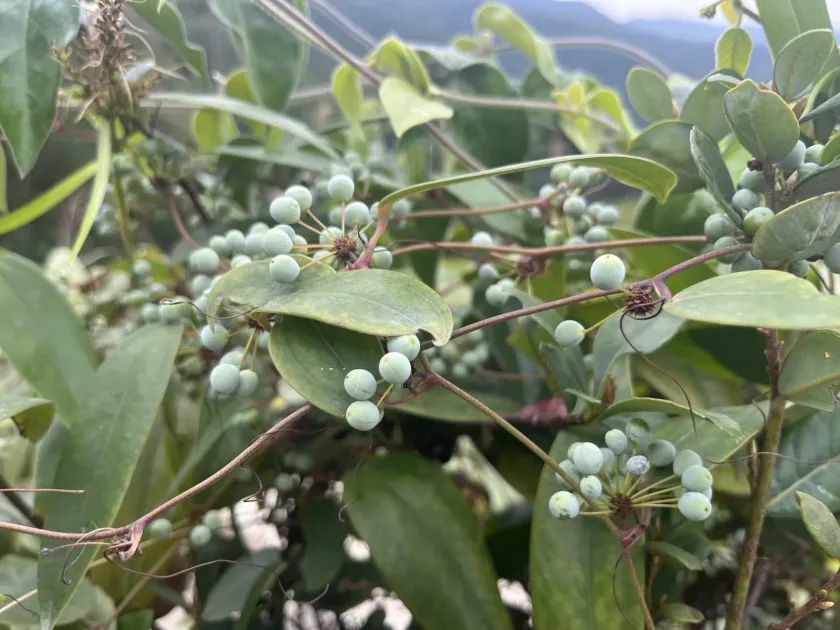
Description
Sowing dates
Smilax glabra is primarily propagated vegetatively by dividing rhizomes, a method that ensures the genetic uniformity of the crop and reliable growth rates.
The best time for planting is early spring, allowing the root system to establish itself in the warming soil before the onset of the peak summer heat.
Spacing between plants must be sufficient to allow for the horizontal expansion of the rhizome system, preventing overcrowding and ensuring access to nutrients.
For large-scale cultivation, prepared rhizome segments should be planted at a consistent depth in nutrient-rich soil to encourage vigorous root development.
Watering immediately after planting is essential to eliminate air pockets in the soil and provide the necessary moisture for the initial stages of plant development.
Growing requirements
This species thrives in fertile, well-draining soils with a neutral or slightly acidic pH, avoiding areas prone to waterlogging which can damage roots.
Smilax glabra prefers a semi-shaded environment, mirroring its natural forest understory habitat, though it can tolerate varied light levels if soil moisture is maintained.
The climate should be characterized by stable temperatures, as the plant is sensitive to frost and extreme drought, requiring irrigation in arid conditions.
Consistent maintenance includes weed control and periodic fertilization with organic matter to support the long-term productivity of the plantation.
Good soil aeration is critical; therefore, mechanical tilling or light soil cultivation should be performed carefully to avoid disturbing the shallow surface roots.
Yield
The yield of Smilax glabra is measured by the total mass of harvested rhizomes, which typically reach maturity and optimal chemical content after several growing seasons.
Commercial producers focus on rotational harvesting cycles, ensuring that a portion of the crop is always reaching maturity to sustain consistent annual supply.
Yield metrics are influenced by factors such as soil quality, plant density, and the implementation of advanced agrotechnical methods to minimize nutrient competition.
High-quality yields are characterized by robust rhizome growth and a high concentration of beneficial bioactive compounds, including specific flavonoids and saponins.
Monitoring the plant's health throughout the growth cycle allows for adjustments in irrigation and fertilization, significantly optimizing the final harvest quantity.
Main diseases and pests
The primary threats to Smilax glabra are fungal root infections, which often occur due to poor drainage or overly compacted soil conditions.
Pests such as aphids and spider mites may infest the foliage, requiring integrated pest management strategies to protect the overall vitality of the plantation.
Weed encroachment is a major challenge, as weeds compete for limited resources and can serve as hosts for various plant pathogens and insect pests.
Proactive disease management involves maintaining clean field conditions and using certified, disease-free planting material to prevent outbreaks.
Early identification of signs of stress or infestation is essential for taking corrective actions before they lead to significant economic losses for the grower.
Harvesting
Harvesting is performed in late autumn, the period when the plant enters dormancy and redirects its energy reserves into the rhizome system.
The rhizomes are carefully excavated to preserve their integrity, as broken or bruised segments are more susceptible to post-harvest decay and quality degradation.
Immediate post-harvest processing includes thorough cleaning and washing to remove soil, followed by grading based on the size and chemical composition of the roots.
Drying must be conducted under strictly controlled temperatures to preserve the pharmaceutical properties of the plant, ensuring that active compounds are not denatured.
Proper storage in cool, dry, and dark conditions prevents mold growth and chemical degradation, maintaining the product's shelf life until it is processed for market.