
Smilax fluminensis
Smilax fluminensis
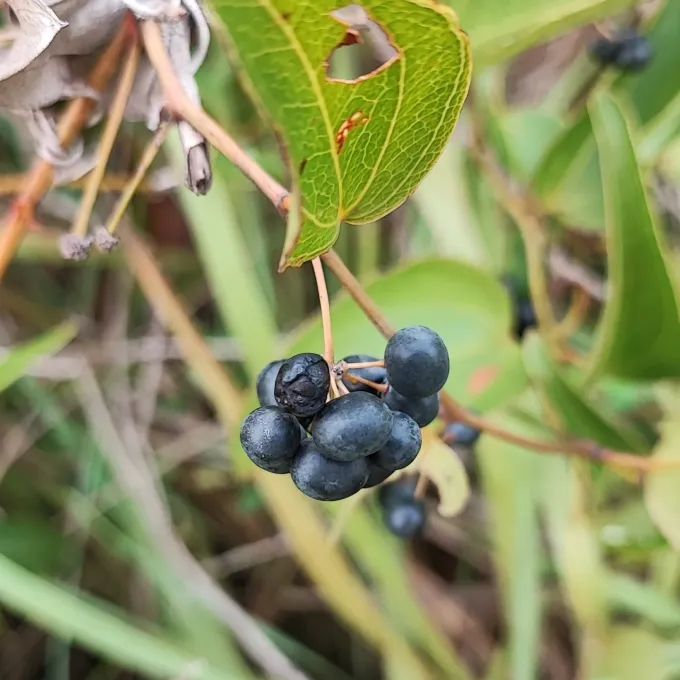
Description
Growing requirements
Smilax fluminensis is a perennial evergreen woody vine belonging to the Smilacaceae family. Native to the tropical forests of South America, this plant is characterized by its rapid growth and ability to climb over surrounding vegetation using modified petioles acting as tendrils.
In terms of habitat, the species thrives in humid tropical environments with high precipitation and constant warm temperatures. It is primarily found in the understory of dense forests, where it adapts well to dappled sunlight and high air humidity levels.
Soil requirements for this crop are quite specific: it prefers light, loamy soils rich in organic matter. A well-draining substrate is critical to prevent root rot, as the plant demands moisture but suffers significantly if roots are waterlogged for extended periods.
Regarding climate, Smilax fluminensis requires an environment where temperatures remain between 22 and 30 degrees Celsius year-round. It has zero tolerance for frost, making it suitable for cultivation only in tropical regions or controlled greenhouse conditions elsewhere.
Agrotechnical practices involve providing robust trellises or supports early in the plant's development. Proper spacing is necessary to facilitate airflow, which is the most important factor in preventing the foliage from becoming damp and susceptible to various pathogens.
Main diseases and pests
The most common pests affecting Smilax fluminensis are spider mites and scale insects. These organisms thrive in dry, stagnant air conditions and can quickly drain the plant's vitality by feeding on the sap of young stems and leaves.
Fungal diseases, particularly powdery mildew and leaf spot, are prevalent in environments with high humidity and poor ventilation. These conditions allow fungal spores to germinate and spread rapidly across the plant's canopy.
Preventive measures include regular inspection of the underside of the leaves and maintaining adequate space between plants to allow for proper transpiration. Integrated pest management strategies using biopesticides are generally preferred to minimize chemical impact.
Root rot caused by Phytophthora species is a major threat in poorly drained soils. Farmers should implement strict watering schedules and avoid over-irrigation to ensure the root system remains oxygenated and healthy throughout the growing season.
Finally, nutritional imbalances can weaken the plant's natural defenses, making it more susceptible to opportunistic pathogens. A balanced fertilization program, with an emphasis on potassium for stem strength, is essential for maintaining a healthy and productive vine.