
Smilax excelsa
Smilax excelsa
Description
Growing requirements
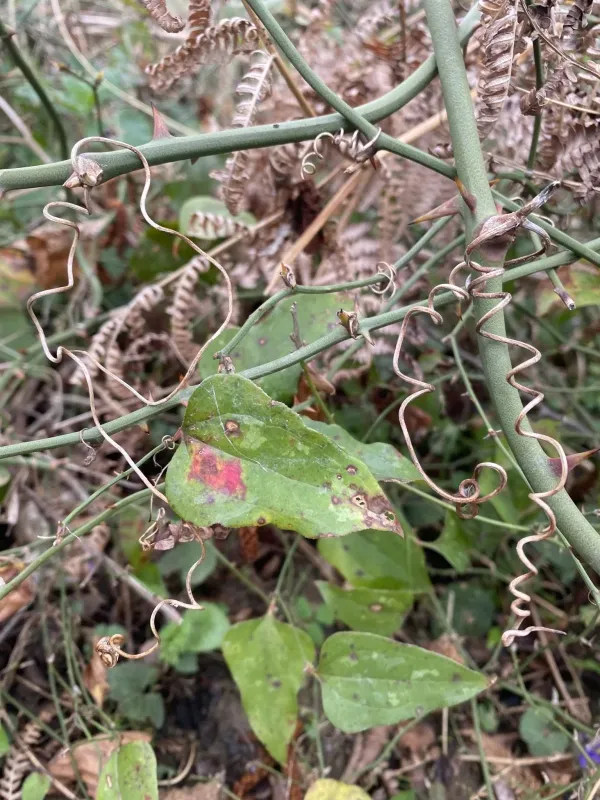
Smilax excelsa, commonly known as high-climbing sarsaparilla, is a perennial vine belonging to the Smilacaceae family. It is a robust climbing plant that can grow up to 10 meters in length, utilizing tendrils and sharp thorns to navigate through forest canopies.
Native to the Caucasus, Asia Minor, and parts of Iran, this species thrives in temperate to subtropical climates. It is typically found in humid deciduous forests, stream banks, and shaded valleys where the environment provides consistent moisture and moderate temperatures.
The cultivation requirements for this plant emphasize the need for deep, rich, and well-drained soils. While it shows some tolerance for shade in its juvenile stages, it requires sufficient light to support its rapid vertical growth and the maturation of its woody rhizomes.
Botanically, the plant is characterized by its cordate-shaped leaves and distinct parallel venation. Its root system is particularly developed, consisting of a network of rhizomes that act as a reservoir for nutrients and secondary metabolites, including saponins and various alkaloids.
Economically, Smilax excelsa is primarily valued for its medicinal properties. Extracts derived from its roots have been traditionally used to treat inflammatory conditions and skin disorders, and there is increasing interest in its role as a botanical source for health supplements.
Harvesting
The harvest of Smilax rhizomes is typically performed during the dormant season, specifically in late autumn or early spring. This timing ensures that the concentration of active medicinal compounds within the roots is at its peak before the new growth cycle begins.
Harvesting involves the careful extraction of the rhizomes from the soil, followed by immediate cleaning to remove organic debris and dirt. Manual cleaning is often followed by washing in clear water to ensure the purity of the raw material.
For culinary purposes, the young, tender shoots are harvested during the early spring season. These shoots are recognized for their subtle flavor and are collected by hand before the plant's structural tissues become too fibrous or woody.
Post-harvest processing requires controlled drying temperatures to maintain the integrity of the bioactive chemicals. Drying should take place in a well-ventilated space, preventing direct prolonged exposure to intense sunlight which could degrade the product.
Final storage requirements for the dried rhizomes include keeping them in dry, cool conditions within breathable packaging. Proper management of the storage environment prevents the onset of mold or pest contamination, ensuring a high-quality product for commercial use.