
Smilax discotis
Smilax discotis
Description
Growing requirements
Smilax discotis is a perennial vine species belonging to the Smilacaceae family. It is native to the mountainous regions of Southeast Asia, thriving in diverse forest ecosystems where it utilizes trees and shrubs as natural supports for its climbing stems.
The culture requires fertile, well-draining soil with an abundance of organic matter. It performs best in environments that mimic its natural habitat, which includes high humidity and dappled sunlight conditions, typical of sheltered forest floors or managed greenhouses.
Optimal growth occurs at temperatures ranging between 18°C and 25°C. The plant exhibits moderate frost resistance, but consistent exposure to extreme cold is detrimental to its development and may cause severe tissue damage to younger specimens.
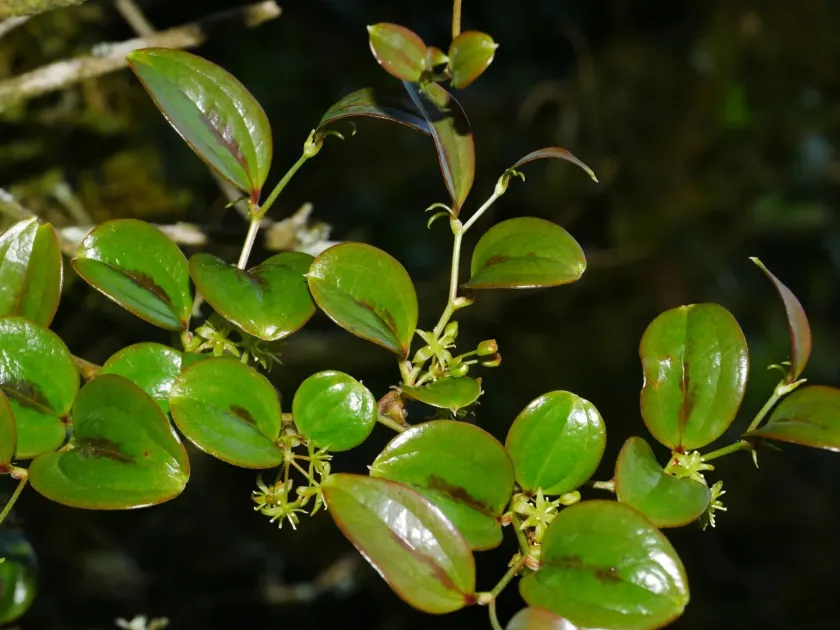
The plant features distinct prickly stems and heart-shaped, leathery leaves that are adapted to withstand environmental stressors. Its root system consists of robust rhizomes that are essential for energy storage and vegetative propagation.
Economically, Smilax discotis is valued primarily for its pharmacological potential. The rhizomes are harvested for traditional and modern medical applications, often used in extracts known for their beneficial bioactive compounds.
Main diseases and pests
Common threats to the crop include various fungal infections, such as root rot, which typically arise when irrigation practices result in waterlogged soil conditions. Proper site drainage is critical to mitigating this risk.
Pests like spider mites and scale insects are frequent issues in greenhouse environments. These pests can significantly reduce plant vigor by feeding on the sap, which eventually leads to chlorosis and stunted growth of the vine.
To prevent disease spread, it is essential to maintain adequate airflow and avoid overcrowding of plants within the cultivation area. Consistent monitoring of leaf health is a necessary part of the daily management routine.
Integrated Pest Management (IPM) strategies are highly recommended to balance the health of the plants while ensuring that the harvested material remains free from harmful chemical residues for pharmaceutical processing.
Weed control remains a crucial aspect of farm management, as opportunistic weeds can compete for soil nutrients and harbor potential pathogens that might compromise the yield and quality of the Smilax discotis crop.